
 With great pleasure today I introduce you to the Finnish artist Paula Mikkilä born in Karvia, a hidden pearl of Finland surrounded by the wonderful rural landscapes of the Karvianjoki river, but resident in Tampere for over twenty years.
She graduated from the Department of Teacher Education at the University of Jyväskylä as a teacher specializing in fine arts and has dedicated a good part of her life to teaching as an elementary school teacher sharing much of her creative moments with children and teenagers.
During the summer holidays she attended art camps in Finland and abroad.
In the 80s she created a considerable quantity of oil paintings, then after her move to Tampere she devoted herself to bronze sculpture and for almost twenty years in the evenings after her school work she went to the foundry.
Bronze casting involves several stages, allowing for the production of a limited number of sculptures per year.
Working with bronze is not easy, but it’s incredibly rewarding, like the material itself, which, once transformed into a work of art, can convey incredible emotions.
Paula draws inspiration for her works from her surroundings: home, nature, animals, and people, who, once part of her creative process, tell stories and fairy tales that take on an imaginative life of their own.
For everyone, but even more so for an artist, time flies and perhaps unconsciously this is why Paula has given wings to many of her bronze figures.
After the foundry closed, the bronze works were replaced by ceramics and acrylic painting.
She has served as secretary and president in association activities related to the art world and is a member of Tampere Artist’s Association and Jyväskylä Artists’ Association which are associations of professional artists.
Paula has been dedicating herself full time to her artistic activity for over ten years now, even though she began participating in exhibitions in Finland in the 1990s and continues to do so today, having recorded significant participations in group exhibitions in Finland and abroad (including Brazil) over the years, where she has obtained important awards, including the Velázquez & Goya International Prize in Barcelona in the autumn of 2024 and the Leonardo da Vinci Prize in Milan in the spring of 2025.
She has traveled extensively to promote her art and she recalls her exhibition trips to Japan, Osaka, Rome and Venice as memorable, as well as her two summer artistic residencies in Matera, the city of stones in Italy.
Recently he has combined old photographs with his sculptures, a sort of connection between past and present where glass and bronze blend perfectly, giving greater lightness even to the heaviest sculptures thanks to a perforated surface.
Her works are on sale through her social media pages or her website
Paula Mikkilä website
Instagram
Facebook
 Paula Mikkilä dalla Finlandia, tra passato e presente, un viaggio nell’arte con la A maiuscola
Con grande piacere oggi vi presento l’artista finlandese Paula Mikkilä nata a Karvia una perla nascosta della Finlandia circondata dai meravigliosi paesaggi rurali del fiume Karvianjoki, ma da oltre venti anni residente a Tampere.
Si è laureata presso il Dipartimento di Formazione Magistrale dell’Università di Jyväskylä come insegnante specializzato in belle arti e ha dedicato buona parte della sua vita all’insegnamento come insegnante di scuola elementare condividendo gran parte dei suoi momenti creativi con bambini e adolescenti.
Durante le vacanze estive ha frequentato campi d’arte in Finlandia e all’estero.
Negli anni ’80 ha realizzato una notevole quantità di dipinti a olio, poi da dopo il suo trasferimento a Tampere si è dedicata alla scultura in bronzo e per quasi un ventennio la sera dopo il lavoro a scuola è andata in fonderia.
La fusione del bronzo prevede diverse fasi, per cui è possibile produrre un numero limitato di sculture per anno; lavorare il bronzo non è semplice ma molto gratificante come il materiale stesso che una volta diventato opera sa trasmettere emozioni incredibili.
Paula per le sue opere trae ispirazione da ciò che la circonda: casa, natura, animali e persone che una volta entrate a far parte del suo processo creativo raccontano di storie e fiabe che assumono una vita propria e fantasiosa.
Per tutti, ma ancor di più per un artista il tempo vola e forse inconsciamente è per questo che Paula ha dotato di ali molte delle sue figure in bronzo.
Dopo la chiusura della fonderia, le opere in bronzo sono state sostituite dalla ceramica e dalla pittura acrilica.
Ha ricoperto il ruolo di segretario e presidente in attività associative legate al mondo dell’arte e fa parte dell’Associazione degli Artisti di Tampere e dell’Associazione degli Artisti di Jyväskylä che sono entrambe associazioni di artisti professionisti.
Ormai sono oltre dieci anni che Paula si dedica a tempo pieno alla sua attività artistica anche se ha iniziato a partecipare alle mostre espositive in Finlandia negli anni’90 e continua ancora oggi facendo registrare nel corso di tutti questi anni significative partecipazioni a mostre collettive in Finlandia e all’estero ( tra cui il Brasile ) dove ha ottenuto importanti riconoscimenti tra cui vanno segnalati il Premio Internazionale Velázquez & Goya a Barcellona nell’autunno del 2024 e nella primavera del 2025 il Premio Leonardo da Vinci a Milano.
Ha viaggiato molto per far conoscere la sua arte e lei ricorda come memorabili i suoi viaggi espositivi in Giappone, Osaka, Roma e Venezia, così come le sue due residenze artistiche estive a Matera, la città dei sassi in Italia.
Recentemente ha unito vecchie fotografie alle sue sculture, una sorta di collegamento tra passato e presente dove vetro e bronzo si sposano perfettamente dando grazie a una superficie traforata più leggerezza anche alle sculture più pesanti.
Le sue opere sono in vendita tramite le sue pagine social o il suo sito web
Paula Mikkilä website
Instagram
Facebook

 Paula Mikkilä Suomesta, menneisyyden ja nykyisyyden rajalla, matka taiteeseen isolla alkukirjaimella
Suurella ilolla esittelen teille suomalaisen taiteilijan Paula Mikkilä, joka on syntynyt Karvialla, Suomen piilotetussa helmessä Karvianjoen upeiden maaseutumaisemien ympäröimänä, mutta joka on asunut Tampereella yli kaksikymmentä vuotta.
Hän valmistui Jyväskylän yliopiston opettajankoulutuslaitokselta kuvataideopettajaksi ja on omistanut suuren osan elämästään opettamiseen alakoulun opettajana, jakaen suuren osan luovista hetkistään lasten ja nuorten kanssa.
Kesälomien aikana hän osallistui taideleireille Suomessa ja ulkomailla.
1980-luvulla hän maalasi huomattavan määrän öljymaalauksia, sitten muutettuaan Tampereelle hän omistautui pronssiveistoksille ja lähes kahdenkymmenen vuoden ajan hän kävi iltaisin koulun jälkeen valimossa.
Pronssin valamisprosessissa on useita vaiheita, minkä ansiosta vuodessa voidaan valmistaa rajoitettu määrä veistoksia.
Pronssin kanssa työskentely ei ole helppoa, mutta se on uskomattoman palkitsevaa, aivan kuten itse materiaalikin, joka taideteokseksi muuttuessaan voi välittää uskomattomia tunteita.
Paula ammentaa inspiraatiota teoksiinsa ympäristöstään: kodista, luonnosta, eläimistä ja ihmisistä, jotka tultuaan osaksi hänen luovaa prosessiaan kertovat tarinoita ja satuja, jotka alkavat elää omaa elämäänsä.
Kaikille, mutta vielä enemmän taiteilijalle, aika lentää, ja kenties tiedostamattaan juuri siksi Paula on antanut monille pronssiveistoksilleen siivet.
Valimon sulkemisen jälkeen pronssityöt korvattiin keramiikalla ja akryylimaalauksella.
Hän on toiminut sihteerinä ja puheenjohtajana taidemaailmaan liittyvässä yhdistystoiminnassa ja on jäsenenä Tampereen Taiteilijaseurassa ja Jyväskylän Taiteilijaseurassa, jotka molemmat ovat ammattitaiteilijoiden yhdistyksiä.
Paula on omistautunut kokopäiväisesti taiteelliselle toiminnalleen jo yli kymmenen vuoden ajan, vaikka hän aloitti näyttelyihin osallistumisen Suomessa 1990-luvulla ja jatkaa sitä edelleen.
Hän on osallistunut merkittävästi ryhmänäyttelyihin Suomessa ja ulkomailla (mukaan lukien Brasilia), joissa hän on saanut merkittäviä palkintoja, kuten Velázquez & Goya International Prize -palkinnon Barcelonassa syksyllä 2024 ja Leonardo da Vinci -palkinnon Milanossa keväällä 2025.
Hän on matkustanut paljon taidettaan mainostaakseen, ja hän muistelee mieleenpainuvia näyttelymatkoja Japaniin, Osakaan, Roomaan ja Venetsiaan sekä kahta kesäresidenssiä Materassa, Italian kivien kaupungissa.
Viime aikoina hän on yhdistänyt vanhoja valokuvia veistoksiinsa, mikä luo yhteyden menneisyyden ja nykyisyyden välille, jossa lasi ja pronssi sulautuvat täydellisesti yhteen ja antavat rei’itetyn pinnan ansiosta kevyemmän ilmeen jopa painavimmille veistoksille.
Hänen teoksiaan voi ostaa hänen sosiaalisen median sivuillaan tai verkkosivuillaan.


Sculptures


Ceramics


Paintings


Installations


Memories of Art exhibitions


 Con grande piacere vi presento l’artista finlandese
 It is with great pleasure that I introduce you to Finnish artist




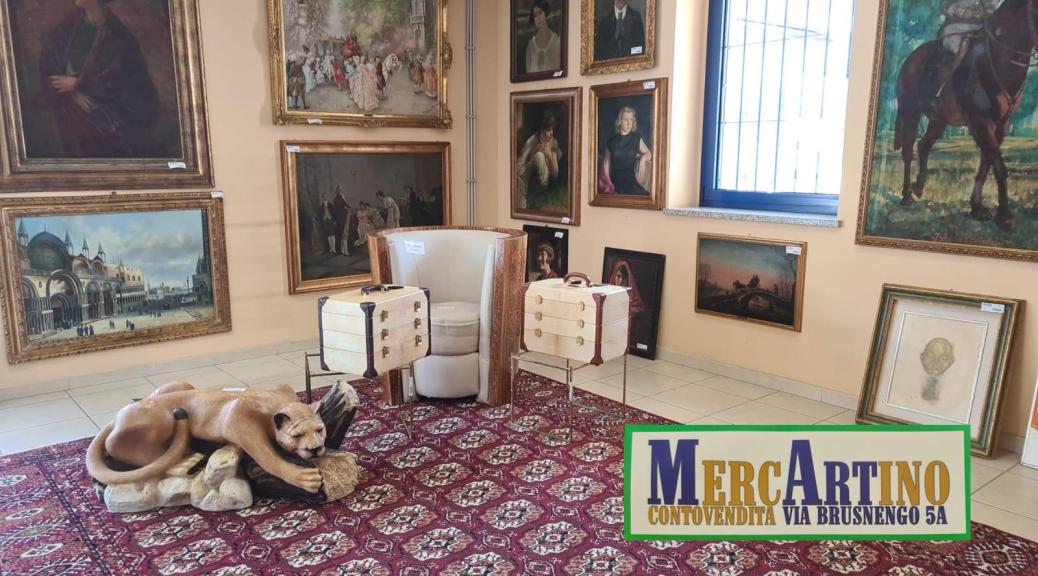
 A Torino ha appena aperto







 Galway




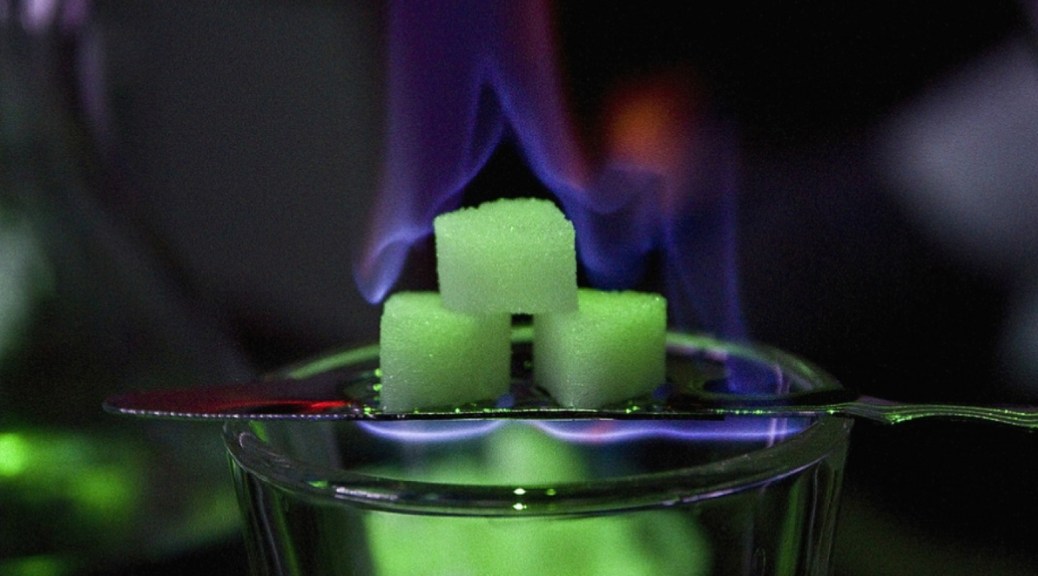
 Che differenza c’è tra un bicchiere d’assenzio ed un tramonto?


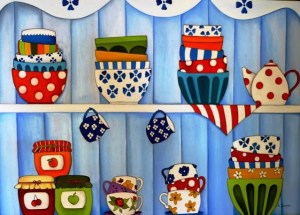
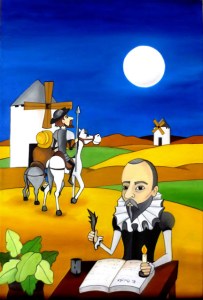
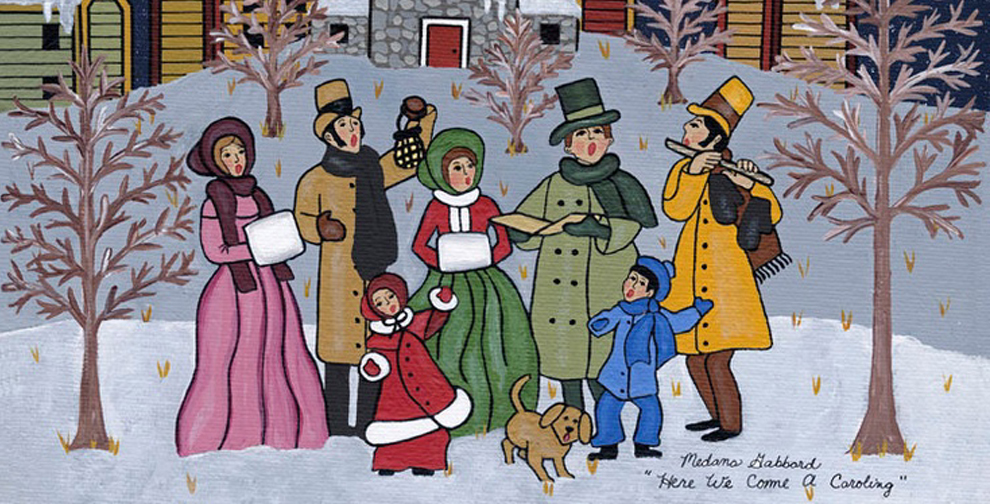
 Ana è nata a Malaga, ma vive a Valladolid dal 2005 Due sono le passioni che la accompagnano fin da quando era piccola, le lingue ( ha un diploma di turismo e una laurea in inglese ) e la pittura Sua mamma racconta che Ana già a tre anni sapeva dipingere e girava per casa dipingendo tutto quello che vedeva, vasi, statuine di ceramica, quindi matite colorate e tubetti di colore sono diventati suoi buon amici si può dire da sempre! Ama molto la storia dell’arte ma nonostante l’incoraggiamento dei suoi genitori a frequentare dei corsi di pittura, Ana ha preferito imparare da sola e da buona autodidatta si è documentata e ha studiato molto e ha una grande ammirazione per gli artisti del Rinascimento, in particolare per Leonardo da Vinci che non era solo un pittore ma uno di quegli artisti a tutto tondo ( architetto,inventore,scultore..) Da quando si è trasferita a Valladolid ha iniziato a dedicarsi in maniera professionale alla pittura sviluppando un suo stile del tutto personale che utilizza nei suoi dipinti ad olio e nelle numerose varietà di illustrazioni che esegue sempre ad olio su tela L’arte naif descritta come ingenua, si caratterizza il più delle volte per essere un dipinto semplice ma è fuor di dubbio che chi lo realizza deve saper dipingere e bene per creare un quadro che possa saper trasmettere emozioni in chi lo guarda L’arte naif è uno stile di vita più che uno stile artistico e la visione dell’artista è molto importante perché rende un quadro naif un pezzo unico in cui l’artista aggiungendo il suo tocco d’immaginazione Ana predilige dipingere le città che sono piene di vita e a lei piace soffermarsi su quello che si vede ogni giorno nella vita quotidiana di una città, grande o piccola che sia, dove albergano personaggi,animali,macchine, monumenti e molto altro, mentre i campi sono il suo secondo ambiente prediletto perché niente come la natura sa donare in un dipinto un senso di serenità In fondo a ben pensarci l’arte Naif è la pittura del cuore e nei dipinti di Ana si coglie al primo sguardo non c’è solo fantasia ma anche molto della sua anima Il mondo è pieno di colori e Ana con la sua padronanza dei colori di base opportunamente miscelati riesce a farci vedere proprio il mondo di tutti i giorni riuscendo a trasmettere quel senso di gioia che è la vera essenza dell’arte Naif Ana ha partecipato a molte esposizioni in tutta Europa e i suoi quadri sono visibili e acquistabili attraverso il suo sito web e i suoi canali social
 Ana was born in Malaga, but has lived in Valladolid since 2005 There are two passions that have accompanied her since she was little, languages (she has a diploma in tourism and a degree in English) and painting. Her mother says that Ana already knew how to paint at the age of three and went around the house painting everything she saw, vases, ceramic figurines, so colored pencils and tubes of color became her good friends, you can tell they have always been! She loves art history very much but despite her parents’ encouragement to attend painting classes, Ana preferred to learn on her own and as a good self-taught she is well documented and studied a lot and has great admiration for Renaissance artists, in particular for Leonardo da Vinci who was not only a painter but one of those artists in the round (architect, inventor, sculptor ..) Since she moved to Valladolid she began to devote herself professionally to painting developing her own completely personal style which she uses in her oil paintings and in the numerous varieties of illustrations she always performs in oil on canvas Naive art described as naïve, is characterized most of the time for being a simple painting but there is no doubt that whoever makes it must know how to paint well to create a picture that can convey emotions in the viewer Naive art is a lifestyle more than an artistic style and the artist’s vision is very important because it makes a naive painting a unique piece in which the artist adding her touch of imagination Ana prefers to paint cities that are full of life and she likes to dwell on what you see every day in the daily life of a city, large or small, where characters, animals, cars, monuments and much more dwell, while the fields they are his second favorite environment because nothing like nature can give a sense of serenity in a painting After all, thinking about it, Naive art is the painting of the heart and in Ana’s paintings you can see at first glance there is not only fantasy but also a lot of her soul The world is full of colors and Ana with her mastery of properly mixed basic colors manages to show us the everyday world managing to convey that sense of joy which is the true essence of Naive art Ana has participated in many exhibitions throughout Europe and her paintings are visible and purchasable through her website and social channels
 Ana nació en Málaga, pero vive en Valladolid desde 2005 Hay dos pasiones que la acompañan desde pequeña, los idiomas (es diplomada en turismo y licenciada en inglés) y la pintura Su mamá dice que Ana ya sabía pintar a los tres años y andaba por la casa pintando todo lo que veía, jarrones, figuritas de cerámica, así que los lápices de colores y los tubos de colores se convirtieron en sus buenos amigos, ¡se nota que siempre lo han sido! Ama mucho la historia del arte pero a pesar de que sus padres la animaron a asistir a clases de pintura, Ana prefirió aprender sola y como buena autodidacta está bien documentada y estudió mucho y tiene una gran admiración por los artistas del Renacimiento, en particular por Leonardo. da Vinci que no solo fue pintor sino uno de esos artistas de ronda (arquitecto, inventor, escultor..) Desde que se trasladó a Valladolid empezó a dedicarse profesionalmente a la pintura desarrollando un estilo propio y totalmente personal que utiliza en sus óleos y en las numerosas variedades de ilustraciones que siempre realiza al óleo sobre lienzo El arte naïf descrito como naïf, se caracteriza la mayoría de las veces por ser una simple pintura pero no cabe duda de que quien lo realiza debe saber pintar bien para crear un cuadro que pueda transmitir emociones en el espectador El arte naif es un estilo de vida más que un estilo artístico y la visión del artista es muy importante porque hace de una pintura naif una pieza única en la que el artista aporta su toque de imaginación Ana prefiere pintar ciudades llenas de vida y le gusta detenerse en lo que uno ve cada día en el día a día de una ciudad, grande o pequeña, donde habitan personajes, animales, autos, monumentos y mucho más, mientras los campos son su segundo ambiente favorito porque nada como la naturaleza puede dar una sensación de serenidad en una pintura Al fin y al cabo, pensándolo bien, el arte naïf es la pintura del corazón y en los cuadros de Ana se puede ver a simple vista que no solo hay fantasía sino también mucho de su alma El mundo está lleno de colores y Ana con su dominio de los colores básicos convenientemente mezclados logra mostrarnos el mundo cotidiano logrando transmitir esa sensación de alegría que es la verdadera esencia del arte naïf Ana ha participado en muchas exposiciones en toda Europa y sus pinturas se pueden ver y comprar a través de su sitio web y sus redes sociales