Nato a Savona, giornalista e autore, travel e food blogger, ama viaggiare, cucinare e non sopporta gli ombrelli.
Ha scritto diversi reportage sui Paesi Nordici, soprattutto su Irlanda e Finlandia pubblicando le relative Guide di viaggio.
I suoi libri sono pubblicati da : R.C.S. Libri, Fabbri, Sonzogno, De Vecchi editore, Sperling & Kupfer.
Press office,Comunicazione,Pr
- Attorno a un tavolo da pranzo non si invecchia mai.
- Per chi vuole vederli ci sono fiori dapperutto, Henri Matisse
- La definizione corretta di giornalista? - ” colui che non si lascia intimidire dal rapporto conflittuale fra stampa e potere “
Nella metà degli anni trenta Lauri Rapala giovane boscaiolo abitante in una piccola casetta di legno lungo le rive del lago Paijanne deve cambiare lavoro a causa della depressione economica che non ha risparmiato nemmeno l’industria del legno. Lauridiventa così pescatore per necessità, tribolando e percorrendo ogni giorno non meno di 15 miglia a remi.
Un giorno Lauri mentre si concedeva una piccola pausa sulle rive di un torrente si mise ad intagliare quasi senza accorgersene un piccolo ramo di abete, fortuna volle che una scheggia di quel legno cadesse in acqua e presa dal vortice della corrente venne aggredita all’improvviso da una grossa trota. Lauri che non era certamente una persona colta, ma comunque dotato di un intuito geniale capì al volo il significato dell’azione a cui aveva assistito.
Era il 1936, un anno decisivo per l’avvenire di Lauri, per la sua famiglia, per tante altre famiglie finlandesi e per milioni di pescatori sportivi di ogni parte del mondo. Lauriiniziò una piccola produzione di piccoli pesciolini di legno che cominciarono a circolare tra un ristretto gruppo di amici, ma la seconda guerra mondiale bloccò il suo lavoro che però riprese subito terminata la guerra, convinto di riuscire a portare avanti il suo progetto.
Partì così la prima produzione in serie e la commercializzazione prima sul territorio nazionale e poi in Europa e negli Stati Uniti; negli anni cinquanta i Rapala arrivarono in Europa mentre solamente nel 1962 si ebbe il boom negli U.S.A. grazie ad un articolo apparso sulla rivista Life ( in copertina c’era Marilyn Monroe ) che diede il via alla ” febbre da Rapala “.
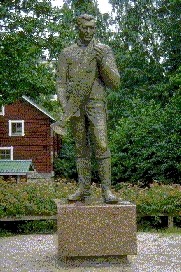
Lauri Rapalaè morto nel 1974 ma il suo nome è ormai entrato nella leggenda, ed è giusto che sia così.
I suoi concittadini hanno eretto in sua memoria un monumento, per questo uomo che con il suo ingegno e la sua operosità ha portato tanto benessere ad una intera regione.
Amanda Pérez Prunedaè nata a Monterrey, N. L. Messico, il 2 settembre 1968
È la figlia più giovane di una coppia che ha vissuto in guerra e durante la sua adolescenza ha avuto il piacere e la facilità di scrivere poesie e recitare in teatro
La sua famiglia materna “Pruneda” ha avuto molti artisti, mentre la famiglia paterna erano commercianti
Sua madre ha sofferto di depressione e nel luglio 1999 si è tolta la vita, e suo padre è diventato responsabile di Amanda
Termina la laurea in Psicologia e casa, all’età di 45 anni
Ha scritto due libri che parlano delle relazioni di coppia e della loro fallita esperienza matrimoniale
Si è separata e divorzia presto
Suo padre soffre di una grave embolia nel 2018, e viene a mancare dopo soli 4 mesi
Comincia a dipingere costantemente e senza istruzioni nel 2018, senza l’aiuto di modelli o fotografie, ma unicamente guidata dalla sua mente attraverso il suo tema principale ” gli animali”
Il suo carattere solitario l’ha portata a comprare materiali più e più volte per provare nuovi colori e ricreare la sua immaginazione.
Decorando la sua casetta, ha percepito la sensazione di aver trovato il senso della sua vita
Le consultazioni psicologiche e la pittura sono il suo attuale stile di vita “Mangia, ama e dipingi” può essere il suo film
Amanda Pérez Prunedawas born in Monterrey, N. L. Mexico, September 2, 1968
She is the youngest daughter of a couple who lived in the war and during her adolescence she had the pleasure and ease of writing poetry and acting in the theater
Her maternal family “Pruneda” had many artists, while the paternal family were merchants
Her mother suffered from depression and took her own life in July 1999, and her father became responsible for Amanda
She finished her degree in Psychology and home, at the age of 45
She has written two books that talk about couple relationships and their failed marriage experience
She separated and divorced soon
Her father suffered a severe embolism in 2018, and died after only 4 months
She starts painting constantly and without instructions in 2018, without the help of models or photographs, but solely guided by her mind through her main theme “the animals”
Her solitary character led her to buy materials over and over again to try new colors and recreate her imagination
Decorating her house, she felt the sensation of having found the meaning of her life
Psychological consultations and painting are her current way of life “Eat, love and paint” may be her film
Amanda Pérez Prunedanació en Monterrey, N. L. Mexico a los dos días de septiembre de 1968.
Es la hija menor de una pareja que vivía en guerra
A lo largo de su adolescencia tuvo gusto y facilidad para escribir poesía y actuar en teatro.
Su familia materna “Pruneda” tenía muchos artistas, su familia paterna eran comerciantes.
Su Madre padecía depresión y en julio de 1999 se quita su propia vida. Su padre queda a cargo de Amanda
Ella termina la licenciatura en Psicología y casa apenas a los 45 años
Escribe dos libros que hablan de las relaciones de pareja y su experiencia fallida casada
Se separa y divorcia al poco tiempo
Su padre sufre una embolia apena el año pasado en 2018 , falleciendo 4 meses después.
Ella inicia a pintar de manera constante y sin instrucción en 2018. Sin modelos ni fotografías. Guiada por su mente. Su tema principal “ los animales”.
Su carácter asocial y solitario la llevaron a comprar material una y otra vez para echar colores y recrear su imaginación.
Decorando su pequeña casa y sintiendo que había encontrado el sentido de su vida.
Consultas psicológicas y pintura son su modo de vivir. “ Comer, amar y pintar”su película
Valentina Bisogno in arte “Tittart” nasce a Torino nel 1967 dove dopo il Liceo artistico frequenta una scuola triennale di Arte e Moda
Con suo grande rammarico non si iscrive all’Accademia Albertina di Belle Arti, perché la vita ha scelto per lei un altro percorso
Dopo aver girato a lungo l’Italia per lavoro a 28 anni si stabilisce a Milano per poi approdare definitivamente sul Lago Maggiore, dove vive attualmente
Nel 1998 a seguito di un bruttissimo incidente che la costringe a 11 mesi di fisioterapia e ad 8 interventi di ricostruzione chirurgica della mano destra smette di dipingere definitivamente
Nel 2015 una delicata operazione alla schiena la tiene ferma per due mesi, ed è in quel momento che riaffiora la passione per la pittura mai sopita, a tal punto da provare se riesce ancora a tenere un pennello in mano
E così come per magia, andando a bottega dall’artista Patrizia Pollato dopo un percorso formativo durato 4 anni la passione per l’arte trova la forza di uscire dal cassetto dei desideri in cui era stata rinchiusa
Valentina ricupera il suo tratto e l’uso dei colori e inizia un nuovo percorso artistico che le permetterà di non abbandonare più questa parte così importante di se stessa
Nasce così l’artista Tittart che attraverso la sua pittura riesce ad esprimere al meglio se stessa, con uno stile pittorico che racconta del suo vissuto travagliato e della sua anima alla perenne ricerca di verità e bellezza
Attraverso le sue opere Tittart riesce a mettere da parte la sua timidezza e le sue insicurezza per
raffigurare quella gioia di vivere che le permette di trasformare tela e colori in quella bellezza che attraverso la natura che ritrare diventa il suo rifugio da dove sfuggire alle brutture del mondo
Tittart .. when canvas and colors are transformed into beauty
Valentina Bisogno, “Tittart” was born in Turin in 1967 where after the artistic high school she attended a three-year school of Art and Fashion
To her great regret, she does not enroll in the Albertina Academy of Fine Arts, because life has chosen another path for her
After traveling around Italy for a long time for work, at the age of 28 she settled in Milan and then landed permanently on Lake Maggiore, where she currently lives
In 1998, following a very bad accident that forced her to 11 months of physiotherapy and 8 surgical reconstruction operations on her right hand, she stopped painting permanently
In 2015, a delicate operation on her back kept her still for two months, and it was at that moment that her passion for painting, which had never subsided, resurfaces, to the point of trying if she can still hold a brush in her hand
And as if by magic, going to the artist Patrizia Pollato’s workshop after a training course that lasted 4 years, the passion for art finds the strength to get out of the drawer of desires in which it had been locked up
Valentina regains her stroke and the use of colors and begins a new artistic path that will allow her to never abandon this so important part of herself
Thus was born the artist Tittart who, through her painting, is able to best express herself, with a pictorial style that tells of her troubled life and her soul in the perennial search for truth and beauty
Through her works Tittart manages to put aside her shyness and her insecurity for
depict that joie de vivre that allows her to transform canvas and colors into that beauty that through the nature she portrays becomes her refuge from which to escape the ugliness of the world
Sofia Fresia è nata a Genova nel 1992 e vive tra Torino e la Valbormida dove vivono i suoi genitori
Dal 2015 studia pittura all’Accademia Albertina di Torino e attualmente frequenta l’ultimo anno del biennio specialistico della Scuola di Pittura
Nel 2014 ha ottenuto la laurea in infermieristica e nel 2018 quella di I livello con la tesi “Deriva e naufragio. L’arte del naufragio come ricerca di salvezza” che affronta il tema del fallimento e della mancanza di riferimenti stabili per i giovani attraverso immagini provenienti dal mondo del nuoto agonistico e delle piscine ricreative
Si è avvicinata all’arte per la prima volta grazie alla visita della mostra “Gli impressionisti e la neve” (2005), da cui ha tratto un enorme interesse verso la pittura figurativa e di paesaggio
Non avendo avuto la possibilità di frequentare il liceo artistico, ha coltivato la sua passione da autodidatta finché la pittura non si è rivelata cruciale nell’affrontare un lungo ricovero ospedaliero
Dipingere ha riacceso in lei una scintilla di interesse per la vita e l’ha aiutata a trovare la forza per liberarsi dai suoi fantasmi
Agonista di nuoto per salvamento e accompagnatrice di media montagna, si interessa alle tematiche sociali e ambientali cui contribuisce anche con il volontariato
Ha sempre con se i suoi due taccuini che utilizza prevalentemente in montagna d’estate o nel corso di qualche viaggio (particolarmente utili durante le traversate di più giorni in montagna, sia per tenere memoria delle singole giornate come una sorta di diario di bordo visivo, sia per riempire le lunghe attese in rifugio al termine di ogni tappa)
I suoi primi lavori erano a carattere fortemente figurativo e connessi agli aspetti che più sentiva legati alla sua rinascita, come la montagna e il nuoto; usava la pittura per parlare di se a se stessa, come a dire “eccomi, sono qui e sono diventata questa persona”
In seguito ha iniziato a usare la pittura per parlare di se agli altri e questa è stata una rivoluzione perché si è resa conto che la comunicazione attraverso i dipinti era più incisiva di quella a parole, e le permetteva di affrontare problemi sui quali non avrebbe mai osato intavolare un discorso
Tra tutti i lavori quelli che sente al momento più “suoi” sono i dipinti a olio della serie Pools, nei quali pensa di essere riuscita a trovare la giusta via di mezzo tra il messaggio da veicolare e l’attrazione personale innata per la pittura di stampo accademico che ad oggi viene spesso vista più come un vincolo anacronistico che come un’abilità
Piscine vuote, edifici e oggetti abbandonati, porte che si spalancano su mondi e tempi inaccessibili: nella sua ricerca l’artista utilizza alcuni soggetti ricorrenti nella propria esperienza di vita ricombinandoli in lavori di matrice surrealista che affrontano prevalentemente temi di carattere sociale
Sofia Fresia was born in Genoa in 1992 and lives between Turin and Valbormida where her parents live
Since 2015 she has been studying painting at the Albertina Academy in Turin and is currently attending the last year of the two-year specialist course at the School of Painting
In 2014 she obtained a degree in nursing and in 2018 the 1st level degree with the thesis “Drift and shipwreck. The art of shipwreck as a search for salvation ” which addresses the theme of failure and the lack of stable references for young people through images from the world of competitive swimming and recreational pools
She approached art for the first time thanks to a visit to the exhibition “The Impressionists and the Snow” (2005), from which she drew a huge interest in figurative and landscape painting
Not having had the opportunity to attend art high school, she cultivated her passion as a self-taught person until painting proved to be crucial in facing a long hospital stay
Painting rekindled a spark of interest in life in her and helped her find the strength to free herself from her ghosts
Swimming agonist for rescue and mid-mountain companion, she is interested in social and environmental issues to which she also contributes with volunteering
She always has two notebooks with her which she mainly uses in the mountains in the summer or during some travels (particularly useful during multi-day crossings in the mountains, both to keep memory of individual days as a sort of visual logbook, both to fill the long waits in the refuge at the end of each stage)
Her first works were strongly figurative and connected to the aspects that she felt most linked to her rebirth, such as the mountains and swimming; she used painting to talk about herself to herself, as if to say “here I am, I’m here and I’ve become this person”
She later started using painting to talk about herself to others and this was a revolution because she realized that communication through paintings was more incisive than words, and allowed her to face problems she would never have dared to strike up a speech
Among all the works, the ones she feels most “hers” at the moment are the oil paintings of the Pools series, in which she thinks she has managed to find the right middle ground between the message to convey and the innate personal attraction for painting by academic style that today is often seen more as an anachronistic constraint than as a skill
Empty swimming pools, abandoned buildings and objects, doors that open wide onto inaccessible worlds and times: in her research the artist uses some recurring subjects in her own life experience, recombining them in surrealist works that mainly deal with social themes
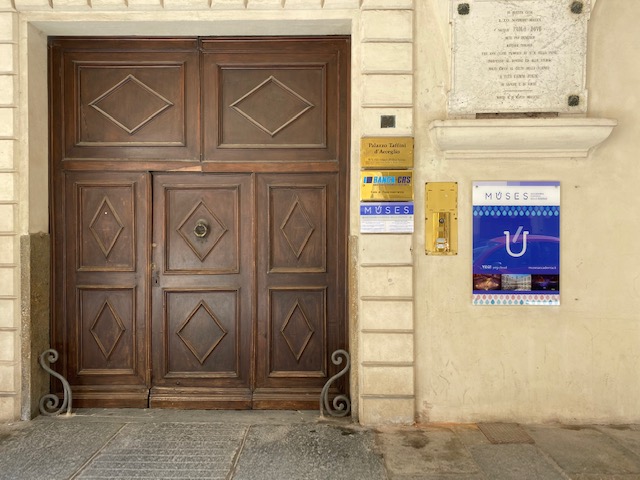
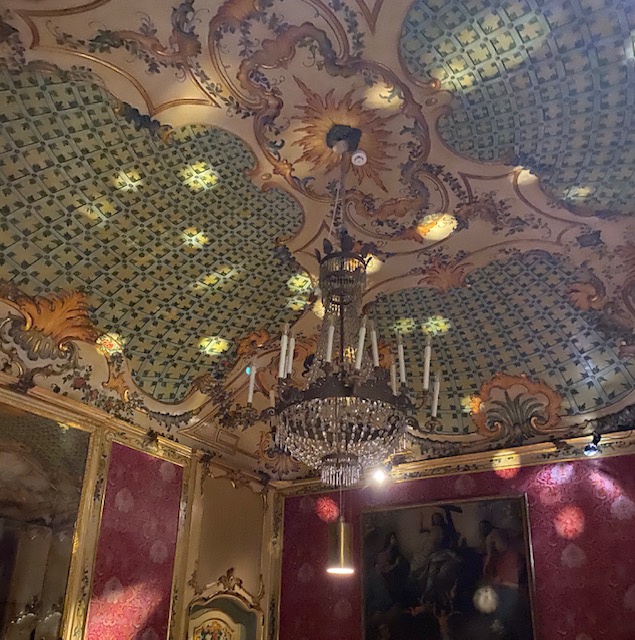
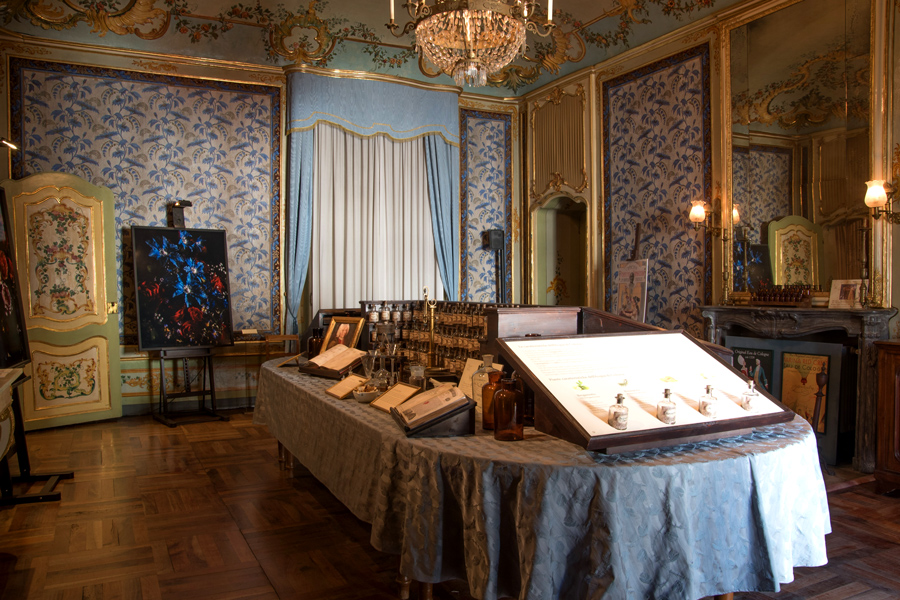
Il MÚSES è un museo vivente che si trova a Savigliano in provincia di Cuneo all’interno del seicentesco Palazzo Taffini, antica dimora nobiliare che racchiude nelle sue sale barocche il ricordo di epiche battaglie combattute dai Taffini al fianco dei Duchi di Savoia
Si chiama MÚSES, con un accento acuto sulla “Ú” per richiamare la forma del mortaio con pestello usato dagli speziali nell’antica alchimia e Accademia Europea delle Essenze è un progetto ideato dall’Associazione Terre dei Savoia per valorizzare le tradizioni e i saperi del Piemonte nella produzione delle erbe officinali
Si definisce Accademia per riaffermarne il significato etimologico del Giardino di Academo: lo spazio collettivo dedicato all’imparare insieme e in questo senso il MÚSES si propone come casa del territorio aperta ai sentori, ai sapori e ai saperi dell’Europa
La visita guidata inizia dal Giardino dei Sensi situato nel cortile d’onore di Palazzo Taffini che rappresenta l’espressione più compiuta di MÚSES, articolato in aiuole geometriche come da modello tardo-rinascimentale, con varietà di piante scelte per stimolare i cinque sensi attraverso i colori delle fioriture, il sapore dei frutti, l’odore dell’essenze e la consistenza del fogliame
Al centro, la fontana con getti d’acqua profumati è dominata dalla scultura “La palette del pittore” dell’artista tedesco Franz Staehler; intorno le erbe officinali, i fiori, le piante ornamentali e le sculture “L’albero della vita” e “Lo specchio di Gaia” di Staehler rianimano e profumano chi lo attraversa
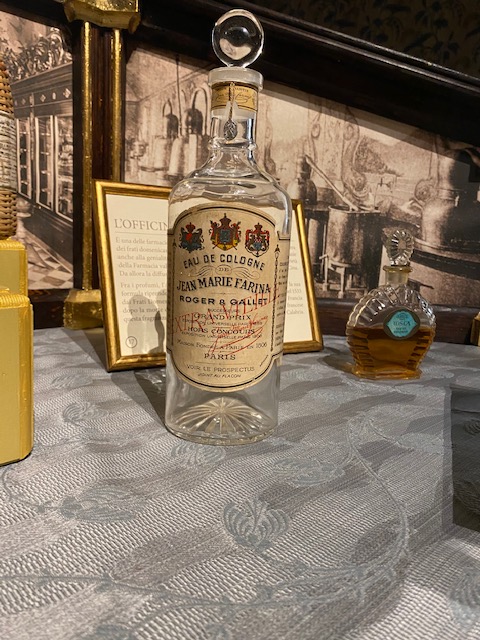
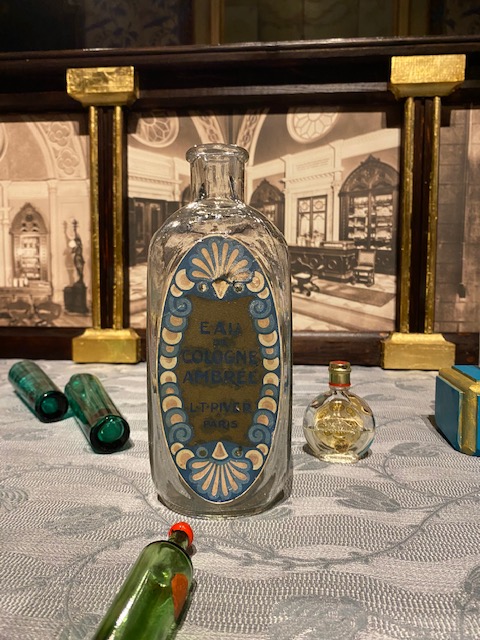
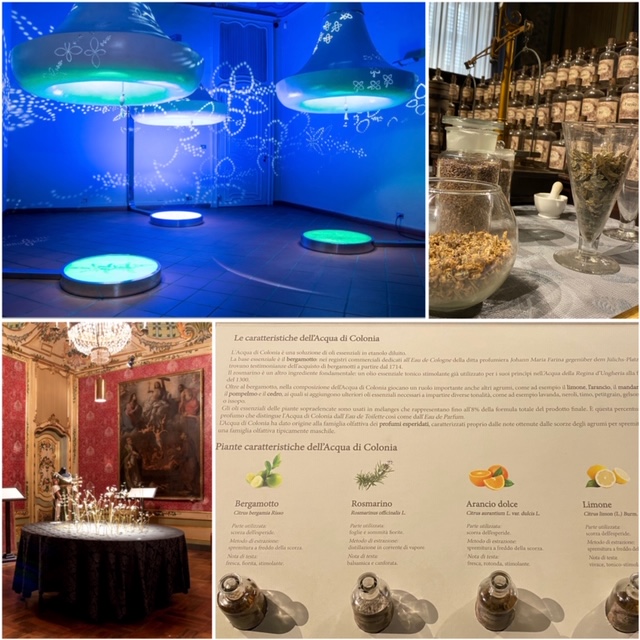
Il MÚSES offre esperienze sensoriali lungo il percorso espositivo con video installazioni, opere site-specific di artisti internazionali contemporanei, strumentazioni d’epoca, personaggi che hanno innovato le tecniche produttive e svelano i segreti dell’arte profumiera nei secoli: da Bisanzio a Venezia seguendo le rotte degli oli essenziali e delle spezie; le grandi signore del Rinascimento italiano, Caterina Sforza, Isabella d’Este, Caterina de’ Medici, che seppero diffondere il piacere delle essenze, diventando vere e proprie icone delle loro epoche; dal Piemonte al resto d’Europa con l’affascinante saga dell’Acqua di Colonia, il profumo più venduto al mondo e creato da un piemontese
Il Museo è aperto su prenotazione il Sabato e la Domenica
MÚSES for a sensory dive into the world of perfumes
The MÚSES is a living museum located in Savigliano in the province of Cuneo inside the seventeenth-century Palazzo Taffini, an ancient noble residence that contains in its baroque rooms the memory of epic battles fought by the Taffins alongside the Dukes of Savoy
It is called MÚSES, with an acute accent on the “Ú” to recall the shape of the mortar with pestle used by apothecaries in ancient alchemy and the European Academy of Essences is a project conceived by the Terre dei Savoia Association to enhance the traditions and knowledge of Piedmont in the production of medicinal herbs
It defines itself as an Academy to reaffirm the etymological meaning of the Academo Garden: the collective space dedicated to learning together and in this sense the MÚSES is proposed as a home in the territory open to the scents, flavors and knowledge of Europe
The guided tour starts from the Garden of the Senses located in the courtyard of honor of Palazzo Taffini which represents the most complete expression of MÚSES, divided into geometric flower beds as per the late-Renaissance model, with a variety of plants chosen to stimulate the five senses through the colors of the blooms, the flavor of the fruit, the smell of the essences and the consistency of the foliage
In the center, the fountain with scented water jets is dominated by the sculpture “The Painter’s Palette” by the German artist Franz Staehler; around the officinal herbs, flowers, ornamental plants and sculptures “The tree of life” and “The mirror of Gaia” by Staehler revive and perfume those who pass through it
MÚSES offers sensory experiences along the exhibition path with video installations, site-specific works by contemporary international artists, period instruments, characters who have innovated production techniques and reveal the secrets of perfume art over the centuries: from Byzantium to Venice following the routes of essential oils and spices; the great ladies of the Italian Renaissance, Caterina Sforza, Isabella d’Este, Caterina de ‘Medici, who knew how to spread the pleasure of essences, becoming true icons of their epochs; from Piedmont to the rest of Europe with the fascinating saga of Cologne, the best-selling perfume in the world and created by a Piedmontese
The Museum is open by appointment on Saturday and Sunday
Alzi la mano chi almeno una volta nella vita non si è avventurato nella creazione di un collage, io sono uno di quelli e mi ricordo come se fosse oggi il giorno in cui a scuola mi fu consegnato durante l’ora di disegno un blocco di fogli colorati, un paio di forbici, un cartoncino nero e la mitica “ Coccoina “colla bianca da stendere con il pennellino e dall’indimenticabile profumo di mandorla
Fu una esperienza bellissima per me che essendo una vera e propria frana con la matita e il pennello fui in grado di dar sfogo alla mia creatività realizzando un collage astratto che mi valse l’onore di vederlo attaccato con le puntine sul cordolino di legno presente sui muri dell’aula
Quando ho visto le opere di Marie De Molinerper la prima volta mi sono immediatamente ricordato della mia esperienza scolastica e ho capito molte cose che allora da ragazzo non avevo recepito, innanzitutto che il collage può sembrare una rotturarispetto alle tecniche nobili della pittura e del disegno, ma così non è perché questa forma d’arte comprende tecnica,forma e contenuto
Ci troviamo di fronte ad una vera e propria rivoluzione che parte da una decostruzione per arrivare ad una ricostruzione vera e propria in cui l’artista si muove in un universo dove tutte le forme possono diventare significanti e la bravura dell’artista consiste nel far apparire nel sui lavoro l’imprevedibile .. quello che non ti saresti aspettato e capace di dare un tocco di originalità ed unicità al lavoro finito Marie De Molinerè nata vicino a Parigi nel 1975 e negli anni novanta ha vissuto alcuni anni a New York dove ha frequentato la Parsons School of designe la Fordham University
Ritornata a Parigi nel 2003 si è laureata in Architetturae dal 2004 vive e lavora a Bergamo
Si è innamorata dell’arte fin da bambina, sperimentando sempre forme ed espressioni d’arte diverse (acquarello, pittura, scultura, arte digitale …), ma la sua vera espressione artistica è il collage realizzato con frammenti di carta riciclata
Ha una passione smodata e non potrebbe essere che così, per la raccolta di carta di qualsiasi tipo, fogli e ritagli da riviste, giornali, cataloghi, brochure pubblicitarie, volantini, biglietti, imballaggi, poster e questa fase di ricerca la porta a girare per mercatini dell’usato alla ricerca di quel pezzo di carta che le farà scattare l’idea per poter immaginare una nuova opera
Da buon architetto Marietrova conforto nella geometria ed è affascinata dalla grafica e non è difficile capire che la sua fonte principale d’ispirazione è la corrente architettonica dello Stile Internazionale
Nella sua serie di collage intitolata “Paesaggi urbani” , opere che sono state esposte ad una mostra personale a Venezia in occasione della biennale di architettura nel 2018 al primo colpo d’occhio si ritrovano immediatamente le peculiarità dello Stile Internazionale: l’organizzazione dello spazio e la prospettiva con un forte linguaggio geometrico
Del resto lo Stile Internazionale si basa su una radicale semplificazione della forma, un rifiuto dell’ornamento e l’adozione di vetro, acciaio e cemento come materiali preferiti mentre la trasparenza degli edifici, la costruzione (chiamata l’espressione onestadella struttura) e l’accettazione delle tecniche di produzione di massa industrializzate hanno contribuito alla filosofia di design dello stile internazionale che ha come obiettivo l’internazionalizzazione del linguaggio, quindi la sua massima diffusione, e non l’approfondimento delle regole di una specifica idealità architettonico/figurativa vista anche l’intenzionale riduzione di una vasta quantità di mezzi espressivi Marie grazie all’uso di carta riciclata riesce a far emergere sulle tele dei scenari rigorosi e dal carattere pop con una lettura nostalgica e contemporanea Marie De Molinerè sicuramente una “ numero uno “ nel variegato mondo artistico dove il collage trova una sua precisa collocazione al pari di disegno e pittura, e forse non tutti sapranno che anche il famosissimo Henri Matisse sulla sedia rotelle a causa di una grave malattia, si aprì ad una nuova vita artistica, producendo collage di carte coloratissime, spesso in scala enorme
Marie De Moliner .. Perfume of paper and glue to create unique collages
Hands up those who at least once in their life have not ventured into creating a collage, I am one of those and I remember as if it were the day when I was given a block of colored sheets, a pair of scissors, a black card and the legendary “Coccoina”white glue during the drawing hour to be spread with the little brush and the unforgettable scent of almond
It was a beautiful experience for me that being a real landslide with the pencil and the brush I was able to give vent to my creativity by creating an abstract collage that earned me the honor of seeing it attached with the pins on the wooden cord on the classroom walls
When I saw the works of Marie De Moliner for the first time I immediately remembered my school experience and I understood many things that I had not understood then as a boy, first of all that collage may seem like a break from the noble techniques of painting and drawing, but this is not the case because this art form includes technique, form and content
We are faced with a real revolutionthat starts from a deconstruction to arrive at a real reconstruction in which the artist moves in a universe where all shapes can become meaningful and the skill of the artist consists in making appear in its work the unpredictable .. what you would not have expected and capable of giving a touch of originality and uniqueness to the finished work Marie De Molinerwas born near Paris in 1975 and in the 1990s lived a few years in New York where she attended the Parsons School of designand Fordham University
Returning to Paris in 2003, she graduated in Architecture and has lived and worked in Bergamo, Italy since 2004
She has fallen in love with art since she was a child, always experimenting with different forms and expressions of art (watercolor, painting, sculpture, digital art …), but her true artistic expression is the collage made with fragments of recycled paper
She has an unbridled passion and it could not be otherwise, for the collection of paper of any type, sheets and clippings from magazines, newspapers, catalogs, advertising brochures, flyers, tickets, packaging, posters and this research phase leads her to turn to flea markets in search of that piece of paper that will trigger the idea to be able to imagine a new work
As a good architect Marie finds comfort in geometry and is fascinated by graphics and it is not difficult to understand that her main source of inspiration is the architectural style of the International Style
In her series of collages entitled “Urban Landscape”, works that have been exhibited at a personal exhibition in Venice on the occasion of the architecture biennale in 2018 at the first glance you immediately find the peculiarities of the International Style: the organization of space and perspective with a strong geometric language
After all, the International Style is based on a radical simplification of the shape, a refusal of the ornament and the adoption of glass, steel and concrete as preferred materials while the transparency of the buildings, the construction (called the honest expression of the structure) and the acceptance of industrialized mass production techniques have contributed to the design philosophy of the International style which has as its objective the internationalization of language, therefore its maximum diffusion, and not the deepening of the rules of a specific architectural / figurative ideality also considering the intentional reduction of a vast amount of means of expression
Thanks to the use of recycled paper, Mariemanages to bring out rigorous and pop scenes on the canvas with a nostalgic and contemporary reading Marie De Moliner is certainly a “number one” in the varied artistic world where collage finds its precise location on a par with drawing and painting, and perhaps not everyone will know that even the very famous HenriMatisse, in a wheelchair due to a serious illness , opened up to a new artistic life, producing collages of colorful papers, often on a huge scale
Solo exhibitions
– February 2010 – Collages Caffè Letterario in Bergamo
Group exhibitions
– October 2010 – Proposte d’arte of Roberto Colleoni in Villa Suardi, Trescore Balneario – (Bergamo)
– May 2011 – Artemisia Laborart Gallery in Piedimulera (Piedmont)
– Permanent Exhibition Colleoni Roberto & C. Tappezzieri in Bergamo
Publications
– Catalogue “Art Events 2011” (Mazzoleni Art Gallery)
I always wondered by listening to the harangue of the great lawyers with a fabulous “ars oratoria” if the law is linked to art as an object of discipline, or if the law is itself a form of artistic expression
Looking at the works of the artist that I present to you today and knowing her story I had the confirmation that there is no difference between law and art but rather as in the case of this artist they helped her to carry out her best in perfect symbiosis two activities, that of lawyer and painter Henna Pajulammi is 37 years old and originally from Seinäjoki, located in the district of Southern Ostrobothnia, but lives and works in Helsinki
In order to become a lawyer and PhD (Doctors of Laws / LL.D), Henna studied practically all her life, first to obtain a law degree and then as a university researcher and the science and research brought her all over the world, having studied at UCLA Law School in California and at the European Academy of Legal Theory in Brussels
As a lawyer she deals mainly with the resolution of corporate disputes but also mainly with the crime of white-collar workers and trade secrets
But in a perfectly juridically oriented business mind there is a creativity that expresses itself through a game of galaxies, champagne bubbles and gingerbread, often using bright colors in her abstract acrylic paintings and mixed technique ( often use the spatula and pieces of cardboard to create sliding ) that allow her to explode her imagination, taking as I believe what Picasso said “I start with an idea and then it becomes something else”
When paints she refuses to “try to be” in the sense that she loves to be free to make her mind float without thinking of having to be perfect at all costs because sometimes it is imperfection that makes us unique and not homologated to others
There is always a story behind one of her paintings, just as in some of her paintings you can find abstract portraits of people who have been able to convey a feeling or even just a “color” that has given way to her imagination
Working as a lawyer provides her with a unique kaleidoscope as an artist, managing to bring the different shades of humanity into her works from an unexpected angle and on the contrary, art helps her in the legal field to think outside the traditional framework and here is that “creativity takes courage” just as the great Henri Matisse said, also him a lawyer
A couple of years ago Henna met her husband who was in that time Minister of Justice of the Finnish government and from this meeting the first encouragement to pursue her dreams started, in practice the first step to becoming an artist
From the wedding a beautiful girlwas born and at that moment Hennaafter being a career-oriented person has had to face an overwhelming change in her life and so the eclectic days at Court in high heels and the “important people” around her have changed to make room for the slow pace of life at home to take care of a small human being
A fantastic world presented itself that has moved something in her soul, and here is the decision to take a break from her work as a lawyer to devote herself to the role of full-time mother
And this gesture of deep love gave her in exchange what she may have had for a long time but she was unable to bring out her creative vein .. she started painting and since then she has never stopped
With this breath of creativity a new Henna was also born where being happy can mean leaving aside high heels to wear the classic Finnish wool socks“villasukat” and feeling comfortable with the paint in her hair
Looking at her paintings it is not very difficult to understand how happy Henna is today, one for all the painting “Got the bubbles back to my champagne” where in her own way she sees in the same photograph the Finnish “Vappu”(May Day) and the Pride parade
Henna Pajulammi .. Quando il Diritto diventa Arte
Mi sono sempre chiesto ascoltando le arringhe dei grandi avvocati dotati di una favolosa “ ars oratoria “ se il diritto si lega all’arte quale oggetto di disciplina, oppure se il diritto è esso stesso una forma di espressione artistica
Guardando le opere dell’artista che vi presento oggi e conoscendo la sua storia ho avuto la conferma che non vi è alcuna differenza tra diritto ed arte ma anzi come nel caso di questa artista l’hanno aiutata a svolgere al meglio in perfetta simbiosi le sue due attività, quella di avvocato e pittrice Henna Pajulammiha 37 anni ed è originaria di Seinäjoki, situata nel distretto della Ostrobotnia meridionale, ma vive e lavora a Helsinki Hennaper diventare avvocato e dottore di ricerca ( Doctors of Laws/LL.D) ha studiato praticamente tutta la vita, prima per ottenere la laurea in legge e poi come ricercatore universitario e la scienza e la ricerca l’hanno portata in tutto il mondo avendo studiato alla UCLA Law School in California e presso l’Accademia europea di teoria legale a Bruxelles
Come avvocato si occupa principalmente alla risoluzione di controversie aziendali ma anche principalmente con il crimine dei colletti bianchi e dei segreti commerciali
Ma in una mente perfettamente orientata giuridicamente al business trova spazio una creatività che si esprime attraverso un gioco di galassie, bolle di champagne e pan di zenzero, usando molto spesso colori vivaci nei suoi quadri astratti in acrilico e tecnica mista ( usa spesso la spatola e pezzi di cartone per creare scorrimento ) che le permettono di far esplodere la sua immaginazione, prendendo come credo quello che affermava Picasso“ Comincio con un’idea e poi diventa qualcos’altro “
Quando dipinge rifiuta di “ cercare di essere “nel senso che ama essere libera di far fluttuare la sua mente senza pensare a dover essere perfetti a tutti i costi perché a volte è l’imperfezione a renderci unici e non omologati agli altri
C’è sempre una storia dietro un suo dipinto, così come in alcuni suoi quadri si possono ritrovare ritratti astratti di persone che hanno saputo trasmetterle un sentimento o anche solo un “ colore” che ha dato il via alla sua immaginazione
Lavorare come avvocato le fornisce un caleidoscopio unico come artista, riuscendo a portare le diverse sfumature dell’umanità nelle sue opere da un’angolazione inaspettata e al contrario l’arte l’aiuta in ambito legale a pensare al di fuori degli schemi tradizionali ed ecco allora che “ la creatività prende coraggio “proprio come diceva il grande Henri Matisse, pure lui avvocato Henna un paio di anni fa ha incontrato suo marito che all’epoca era Ministro della Giustizia del governo finlandese e da questo incontro è partito il primo incoraggiamento ad inseguire i suoi sogni, in pratica il primo passo per diventare un artista
Dal matrimonio è nata una bellissima bimba e in quel momento Henna dopo essere stata una persona da sempre orientata alla carriera ha dovuto affrontare un cambiamento travolgente nella sua vita e così le giornate eclettiche a Corte in tacchi alti e le “ persone importanti” intorno a lei sono cambiate per lasciare spazio ai ritmi lenti della vita a casa ad accudire un piccolo essere umano
Le si è presentato un mondo fantastico che ha spostato qualcosa nella sua anima, ed ecco allora la decisione di prendere una pausa dal suo lavoro di avvocato per dedicarsi al ruolo di mamma a tempo pieno
E questo gesto di profondo amore le ha regalato in cambio quello che forse da tempo aveva dentro di sé ma non riusciva a far venir fuori, la sua vena creativa .. ha iniziato a dipingere e da allora non si è più fermata
Con questa ventata di creatività è nata anche una nuova Henna dove essere felici può voler dire lasciare da parte i tacchi alti per indossare le classiche calze di lana finlandesi“villasukat “ e sentirsi a proprio agio con la vernice tra i capelli
A guardare bene i suoi quadri non è molto difficile capire quanto oggi sia felice Henna, uno per tutti il quadro “ Got the bubbles back to my champagne“ dove a modo suo lei vede nella stessa fotografia il Finnish “ Vappu “ ( May Day ) e la Pride parade
Oggi vi presento le creazioni di Sabrina Mattei una giovane artista e artigiana che crea e realizza le sue meravigliose borse dal 2014
Quando ho visto per la prima volta le borse create da Sabrina mi è venuta in mente mia nonna Marianna che non si separava mai dalla sua borsa preferita che le aveva creato un artigiano locale e che era praticamente indistruttibile, perché a quei tempi le cose erano fatte per durare
Queste borse intrecciate con nastro di juta e altri materiali sembrano proprio quelle di c’era una volta ma realizzate ai giorni nostri e quindi capaci di soddisfare i gusti moderni
La ricerca e l’abbinamento di materiali di recupero con tessuti unici e pregiati e lo studio di intrecci costituiscono i caratteri peculiari della linea di borse, che include modelli a bauletto, da spalla e pochette Sabrina parte dall’idea progettuale, disegnando uno schizzo della futura borsa, per poi passare a immaginare la futura realizzazione finale creando un prototipo in dimensioni reali
Una volta creato il modello base, questo viene messo in produzione utilizzando i materiali che Sabrina reperisce di volta in volta, ecco così che nascono così veri e propri “modelli unici in serie”
I materiali principalmente utilizzati nelle collezioni sono la cinghia di juta, lana ed altri filati, una selezione di rasi, velluti e altri tessuti e la immancabile pelle
La realizzazione di ogni singola borsa è piuttosto lunga e complessa e le tempistiche possono variare dalle sette alle dodici ore
Ogni pezzo è internamente foderato in stoffa e, a seconda dei modelli, può includere manici in essenze lignee (come il bambù), in tessuto o in altri materiali; i complementi di finitura (chiusure ed elementi di minuteria) sono in metallo
Del resto siamo in Toscana, patria di quell’artigianato di eccellenza che nel corso degli anni ‘50, ha dato vita all’alta moda fiorentina
Mercati di riferimento di Borgo Solaio, dal punto di vista geografico sono principalmente l’Italia e l’Europa, con negli ultimi tempi, aperture verso Russia e USA
Le borse di Borgo Solaio possono essere acquistate contattando le pagine social o attraverso il negozio virtuale su Etsy
L’obiettivo di Borgo Solaio è quello di focalizzarsi sulla creazione di pezzi ad alto valore artigianale anche attraverso le tecnologie della digital fabrication (come scansione e stampa 3D, taglio e incisione laser, lavorazioni al pantografo e alla fresa a controllo numerico, sensoristica elettronica), in grado di conferire agli oggetti un’ulteriore preziosità e unicità Borgo Solaiosta sviluppando un progetto di borsa internet of things, che attraverso la connessione alla rete sia in grado di divulgare storia, manifattura e filiera produttiva di Borgo Solaio (ad esempio facendo utilizzo di QR code, hashtag chip RfID, etc.)
Nel 2017 è tra le aziende scelte da Artex per la 13a edizione del premio Scenari di Innovazione, il concorso internazionale di idee per la progettazione di oggettistica e complementi di arredo
Nel 2018 Borgo Solaio è tra le vincitrici del premio OMA (Osservatorio Mestieri d’Arte) al talento e all’artigianato di qualità
Finalista alla sezione regionale del premi Cambiamenti 2019 organizzato da CNA
L’artista israeliano Yuval Avital nel 2019 ha invitato Borgo Solaio a partecipare, mediante la realizzazione di tre maschere, alla mostra “Nephilìm. Una moltitudine di maschere sonore” presso il Museo Marino Marini di Firenze
È stata inserita nella community Well Made, della Fondazione Cologni, dedicata agli artigiani d’eccellenza
Borgo Solaio .. the bags of once upon a time
Today I present the creations of Sabrina Mattei a young artist and craftswoman who has created her wonderful bags since 2014
When I first saw the bags created by Sabrina, came to my mind my grandmother Marianna that she never separated from her favorite bag that had created for her a local craftsman and that was practically indestructible, because in those days things were made to last
These bags woven with jute ribbon and other materials seem exactly what they once were but made today and therefore able to satisfy modern tastes
The research and the combination of recycled materials with unique and precious fabrics and the study of weaves are the peculiar characteristics of the line of bags, which includes top-case, shoulder and clutch bag models Sabrina starts from the design idea, drawing a sketch of the future bag, then moving on to imagine the future final realization by creating a prototype in real size
Once the basic model has been created, it is put into production using the materials that Sabrina finds from time to time, so here are born real “unique models in series”
The materials mainly used in the collections are the jute belt, wool and other yarns, a selection of satin, velvets and other fabrics and the inevitable leather
The realization of each individual bag is quite long and complex and the timing can vary from seven to twelve hours
Each piece is internally lined in fabric and, depending on the models, can include handles in wooden essences (such as bamboo), in fabric or in other materials; the finishing accessories (closures and small parts) are in metal
After all, we are in Tuscany, home of that excellent craftsmanshipthat during the 1950s gave birth to Florentine high fashion
Reference markets of Borgo Solaio, from a geographical point of view are mainly Italy and Europe, with recent openings to Russia and the USA Borgo Solaio bags can be purchased by contacting the social pages or through the virtual shop on Etsy
For more information: Borgo Solaio
Via Borgo Solaio 8
55045 Pietrasanta (LU)
Phone +39 3395937453
Email borgosolaio@gmail.com
Sanna–Mariè nata a Turku 39 anni fa e ha due figli
Per un periodo della sua vita ha vissuto anche ad Helsinki,ma amando il silenzio e il contatto con la natura ha fatto ritorno nella sua città natale, dove attualmente vive
In passato ha avuto un’attività in proprio, dove realizzava tessuti per la casa che progettava insieme alla sorella,per poi essere stampati
Ha iniziato a dipingere dopo una dolorosa separazione dal suo compagno di vita e grazie all’arte è riuscita in qualche modo a lenire la sua sofferenza interiore trasferendo il dolore sulle sue tele che raccontano quindi di un mondo interiore che cerca di uscire dal caos in cui era finito L’arte quindi intesa come terapia, niente di più bello e delicato per capire le mille sfaccettature interiori di un artista
Nel suo cottage estivo ( mökki in finlandese ) che è anche il suo atelier d’arte riesce a trovare la giusta inspirazione per mettere su tela la sua ricerca di serenità
E ora che la burrasca è passata e Sanna-Mariha saputo ritrovare la sua serenità le è rimasta la cosa più importante, l’ispirazione per continuare a fare arte e trasmettere emozioni attraverso le sue tele
Se siete interessati alle sue opere potete contattarla direttamente tramite la sua paginaInstagramo via mail sannamarinenarts@gmail.com
Sanna-Mari Suomela when art becomes therapy
Sanna-Mari was born in Turku 39 years ago and has two kids
For a period of her life she also lived in Helsinki, but loving silence and contact with nature she returned to her hometown, where she currently lives
In the past she had her own business, where she made home textiles that she designed with her sister, to then be printed
She began to paint after a painful separation from her life partner and thanks to art she somehow managed to soothe her inner suffering by transferring the pain onto her canvases which then tell of an inner world that tries to get out of the chaos in which It was finished Art therefore understhood as therapy, nothing more beautiful and delicate to understand the thousand inner facets of an artist
In her summer cottage ( mökki in Finnish) which is also her art studio she manages to find the right inspiration to put her search for serenity on canvas
And now that the storm has passed and Sanna-Marihas been able to regain her serenity, she has remained the most important thing, the inspiration to continue making art and transmit emotions through her paintings
If you are interested in her works, you can contact her directly by Instagrampage or by email sannamarinenarts@gmail.com
E’ mancato oggi a Roma il maestro Ennio Morricone il più grande compositore di musica contemporanea.
Le sue colonne sonore straordinarie ci hanno fatto amare, sognare e ci hanno raccontato quello che nel film non si vedeva, perché con lui la musica di un film è diventata protagonista al pari della scena
Sono talmente tanti i film di successo che ha firmato che è quasi impossibile ricordarli tutti
Era un genio della musica ed è grazie a lui che nelle canzoni è stato introdotto l’arrangiamento
Non so dove possa essere in questo momento ma mi piace pensarlo seduto ad un tavolo a discutere di crome e biscrome con Mozart e Beethoven
Una cosa è certa la sua musica in questo mondo vivrà per sempre! Grazie Maestro!
The Italian soundtrack has turned off Ennio Morricone, the greatest contemporary music composer, passed away today in Rome.
His extraordinary soundtracks made us love, dream and told us what we didn’t see in the film, because with him the music of a film became the protagonist on a par with the scene
There are so many successful films that he has signed that it is almost impossible to remember them all
He was a genius of music and it is thanks to him that the arrangement was introduced in the songs
I don’t know where it can be at the moment but I like to think of it sitting at a table discussing quavers and biscrome with Mozart and Beethoven
One thing is for sure his music in this world will live forever! Thank you Maestro!
un giornalista in viaggio che non sopporta gli ombrelli