Archivi tag: Italy

Veronika Sekotová that fleeting moment that can give joy and happiness!

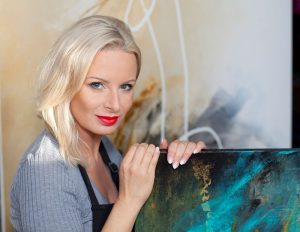
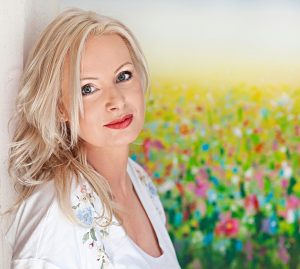
It is with great pleasure that I introduce you to the Czech artist Veronika Sekotová, born in 1983 in West Bohemia and currently residing in Netvořice, where she lives and works.
Veronika graduated from the Higher School of Arts and Crafts with a specialization in graphics and after continuing her studies in the tourism sector, she began working in the marketing field, where she is still active today, although not full-time, having exploded internationally her fame as a paintress, a fact that keeps her very busy not only in painting but also and above all in following the numerous exhibitions in Europe and overseas in which she has been the protagonist, receiving numerous prestigious awards for her contribution to contemporary art (she has exhibited in her country in Spain, Germany, Italy, Austria, France, Great Britain, Miami and New York).
Veronika has been interested in painting and art in general since childhood, discovering the beauty and power of art, and fine art in particular.
In artistic school she fell in love with art history and thought about combining it with a study of tourism, but as the years passed, Veronika found herself juggling work and family, and art, unfortunately, became almost an occasional hobby.
Until recently, when art returned to prominence in her life, allowing her to express her inner feelings through her works.
But there’s more, for Veronika, painting is a source of joy, of pleasure and above all the ability to capture that fleeting moment in her surroundings capable of creating within her a sort of inspiration capable of allowing her feelings to flow outwards and pour onto her canvases.
A phrase by the French painter Paul Gauguin that Veronika loves very much goes: “I close my eyes to see” and this is exactly what happens in the creative path undertaken by Veronika who, having closed her eyes to create her work, sends through her canvases the same invitation to whoever looks at them: close your eyes and be free to see what you want!
Gauguin’s suggestions put an end to the concept that art is the imitation of nature, but above all the cornerstones of Impressionist painting fell away: no easel and painting “en plein air”.
Artists admire what surrounds them, capable of capturing that fleeting moment which they make their own and memorize, and then transfer the emotions onto the canvas in their studio.
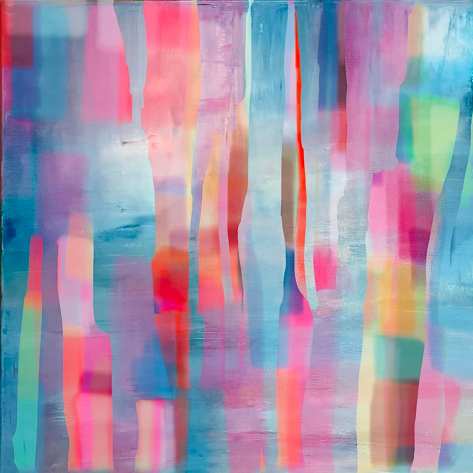
And that’s exactly what Veronika did in her magnificent painting about autumn, made in her studio the day after her walk in the woods.
Imagination and dreams play a very important role in all of our lives because they help us cope with the burdensome moments of everyday life.
Artists, through their fantasies and dreams, know even more how to convey on canvas the emotions they have experienced inside.
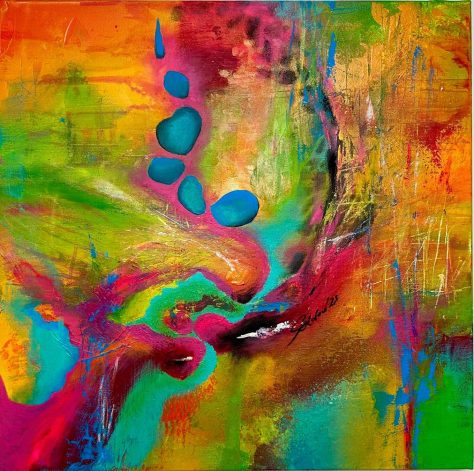
Veronika is a multifaceted artist and loves to try and experiment with new techniques, but she prefers to paint on canvas with acrylic paints.
Sometimes she writes mostly indecipherable Czech phrases on the canvases, almost as if they were diary entries, thoughts spoken aloud to encourage the viewer to understand the message the painting is trying to convey.
The life of an artist is not much different from that of an ordinary mortal, and so the famous fleeting moment is not captured simply by admiring nature with its flowers and marvelous landscapes, but sometimes by observing the ugliness and tragedies that surround us every day.
However, in her paintings, Veronika aims to convey joy and serenity to those who view them, with the hope that one of these might brighten the home of an admirer.
In 2024, together with the paintress Ivana D’Emilio, she founded a company dedicated to supporting the arts and is currently looking for a location to open his own art gallery.
She also volunteers, which she considers the most natural way to give back to the community.

Her works can be viewed and purchased through her social media pages.

Instagram
Facebook

Giuseppe Genta
journalist, Italy

Veronika Sekotová quell’attimo fuggente che sa donare gioia e felicità!

 Con grande piacere vi presento l’artista ceca Veronika Sekotová nata nel 1983 nella Boemia occidentale e attualmente residente a Netvořice dove vive e lavora.
Veronika si è diplomata presso la Scuola Superiore di Arti e Mestieri con specializzazione in grafica e dopo aver proseguito gli studi nel settore del turismo, ha iniziato a lavorare nel campo del marketing, dove ancora oggi è attiva sia pure non a tempo pieno essendo esplosa a livello internazionale la sua fama di pittrice, fatto questo che la tiene molto impegnata non solo nel dipingere ma anche e soprattutto nel seguire le numerose esposizioni in Europa e oltre oceano che l’hanno vista protagonista, ricevendo numerosi premi prestigiosi per il suo contributo all’arte contemporanea ( ha esposto oltre che nel suo paese in Spagna, Germania, Italia, Austria, Francia, Gran Bretagna,Miami e New York )
Veronika si è avvicinata alla pittura e all’arte in generale fin dall’infanzia scoprendo la bellezza e il potere dell’arte e in particolare delle belle arti.
Al Liceo artistico si è innamorata della storia dell’arte e ha pensato di abbinarla allo studio del turismo, ma gli anni passano e Veronika si ritrova a dover fare i conti con il lavoro e la famiglia e l’arte ahimè è diventata quasi un hobby occasionale fino a quando recentemente l’arte è tornata a primeggiare nella sua vita permettendole di esprimere attraverso le sue opere quello che sente dentro.
Ma c’è di più, la pittura per Veronika è motivo di gioia, di piacere e soprattutto la capacità di saper cogliere in quello che la circonda quell’attimo fuggente capace di creare dentro di lei una sorta di ispirazione capace di far defluire all’esterno i suoi sentimenti che si riversano sulle sue tele.
Una frase del pittore francese Paul Gauguin che Veronika ama molto recitava “ chiudo gli occhi per vedere “ ed è proprio quello che avviene nel percorso creativo messo in atto da Veronika che avendo chiuso gli occhi per creare la sua opera manda attraverso le sue tele lo stesso invito a chi le guarderà, chiudete gli occhi e siate liberi di vedere ciò che volete!
Le suggestioni di Gauguin hanno messo fine al concetto che l’arte è imitazione della natura, ma soprattutto sono caduti i capisaldi della pittura impressionista, niente cavalletto e pittura “en plain air”.
Gli artisti ammirano ciò che li circonda capaci di saper cogliere quell’attimo fuggente che fanno proprio e memorizzano per poi nel proprio studio trasferire  le emozioni sulla tela.
Ed è proprio quello che ha fatto Veronika nel suo magnifico dipinto sull’autunno, realizzato nel suo studio il giorno dopo la sua passeggiata nel bosco.
La fantasia e i sogni giocano un ruolo molto importante nella vita di tutti noi perché ci aiutano a sopportare momenti ingombranti della quotidianità e a maggior ragione gli artisti attraverso le loro fantasie e sogni sanno come trasmettere su tela le emozioni che hanno vissuto dentro.
Veronika è un’artista poliedrica e ama provare e sperimentare nuove tecniche ma predilige dipingere su tela con colori acrilici e talvolta sulle tele scrive delle frasi in ceco per lo più indecifrabili quasi come se fossero delle annotazione scritte su di un diario, dei pensieri a voce alta per spronare chi guarda a comprendere il messaggio che vuole trasmettere il dipinto.
La vita di un artista non è molto diversa da quella di un comune mortale e quindi il famoso attimo fuggente non lo si coglie solo ammirando la natura con i suoi fiori e paesaggi meravigliosi ma talvolta capita di coglierlo guardando le bruttezze e le tragedie che ci circondano ogni giorno, ma Veronika nei suoi dipinti si prefigge di trasmettere a chi li guarda gioia e serenità con la speranza che uno di questi possa andare ad allietare la casa di un suo ammiratore.
Nel 2024 ha fondato insieme alla  pittrice Ivana D’Emilio  una società dedicata al sostegno delle arti e di questi tempi sta cercando una location per poter aprire una propria Galleria artistica.
Si dedica anche al volontariato che lei considera il modo più naturale per restituire qualcosa alla comunità.

Le sue opere sono visionabili e acquistabili tramite le sue pagine social

Instagram
Facebook

Giuseppe Genta
journalist, Italy

Veronika Sekotová – Prisoner of Time
Veronika Sekotová – Soulmates
Veronika Sekotová -The Diary of a Woman
Veronika Sekotová – Barcelona

Tittart .. quando la tela e i colori si trasformano in bellezza

Valentina Bisogno in arte “Tittart” nasce a Torino nel 1967 dove dopo il Liceo artistico frequenta una scuola triennale di Arte e Moda
Con suo grande rammarico non si iscrive all’Accademia Albertina di Belle Arti, perché la vita ha scelto per lei un altro percorso
Dopo aver girato a lungo l’Italia per lavoro a 28 anni si stabilisce a Milano per poi approdare definitivamente sul Lago Maggiore, dove vive attualmente
Nel 1998 a seguito di un bruttissimo incidente che la costringe a 11 mesi di fisioterapia e ad 8 interventi di ricostruzione chirurgica della mano destra smette di dipingere definitivamente
Nel 2015 una delicata operazione alla schiena la tiene ferma per due mesi, ed è in quel momento che riaffiora la passione per la pittura mai sopita, a tal punto da provare se riesce ancora a tenere un pennello in mano
E così come per magia, andando a bottega dall’artista Patrizia Pollato dopo un percorso formativo durato 4 anni la passione per l’arte trova la forza di uscire dal cassetto dei desideri in cui era stata rinchiusa
Valentina ricupera il suo tratto e l’uso dei colori e inizia un nuovo percorso artistico che le permetterà di non abbandonare più questa parte così importante di se stessa
Nasce così l’artista Tittart che attraverso la sua pittura riesce ad esprimere al meglio se stessa, con uno stile pittorico che racconta del suo vissuto travagliato e della sua anima alla perenne ricerca di verità e bellezza
Attraverso le sue opere Tittart riesce a mettere da parte la sua timidezza e le sue insicurezza per
raffigurare quella gioia di vivere che le permette di trasformare tela e colori in quella bellezza che attraverso la natura che ritrare diventa il suo rifugio da dove sfuggire alle brutture del mondo

Tittart .. when canvas and colors are transformed into beauty

Valentina Bisogno, “Tittart” was born in Turin in 1967 where after the artistic high school she attended a three-year school of Art and Fashion
To her great regret, she does not enroll in the Albertina Academy of Fine Arts, because life has chosen another path for her
After traveling around Italy for a long time for work, at the age of 28 she settled in Milan and then landed permanently on Lake Maggiore, where she currently lives
In 1998, following a very bad accident that forced her to 11 months of physiotherapy and 8 surgical reconstruction operations on her right hand, she stopped painting permanently
In 2015, a delicate operation on her back kept her still for two months, and it was at that moment that her passion for painting, which had never subsided, resurfaces, to the point of trying if she can still hold a brush in her hand
And as if by magic, going to the artist Patrizia Pollato’s workshop after a training course that lasted 4 years, the passion for art finds the strength to get out of the drawer of desires in which it had been locked up
Valentina regains her stroke and the use of colors and begins a new artistic path that will allow her to never abandon this so important part of herself
Thus was born the artist Tittart who, through her painting, is able to best express herself, with a pictorial style that tells of her troubled life and her soul in the perennial search for truth and beauty
Through her works Tittart manages to put aside her shyness and her insecurity for
depict that joie de vivre that allows her to transform canvas and colors into that beauty that through the nature she portrays becomes her refuge from which to escape the ugliness of the world

Per maggiori informazione su Tittart :

sito web

Instagram 


MÚSES per un tuffo sensoriale nel mondo dei profumi

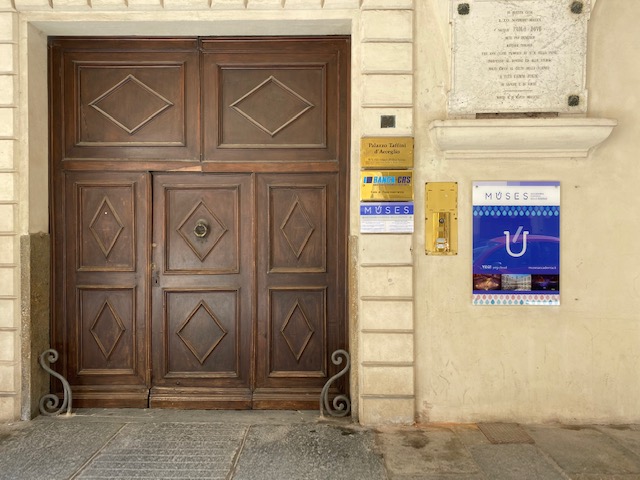
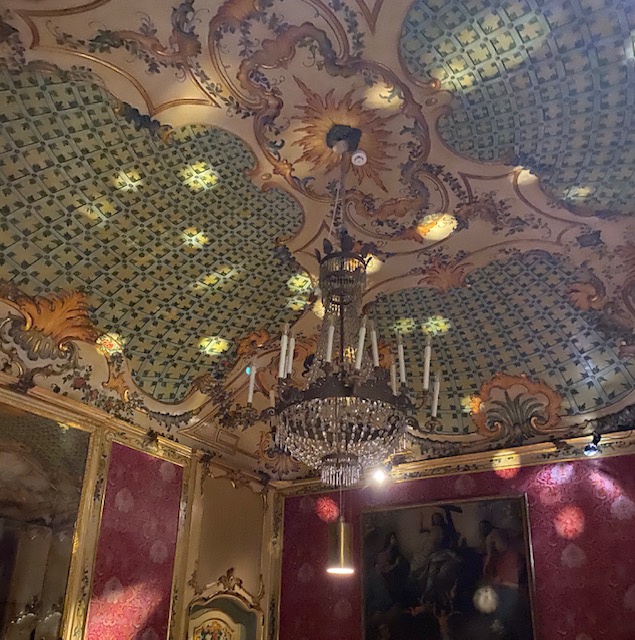
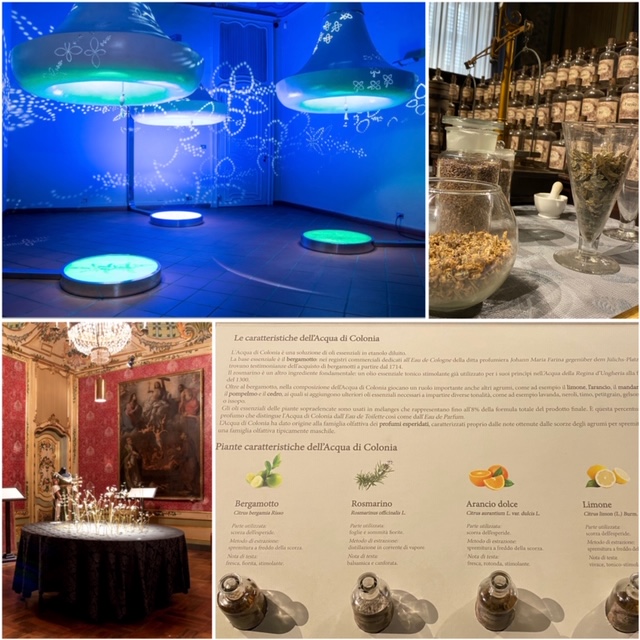
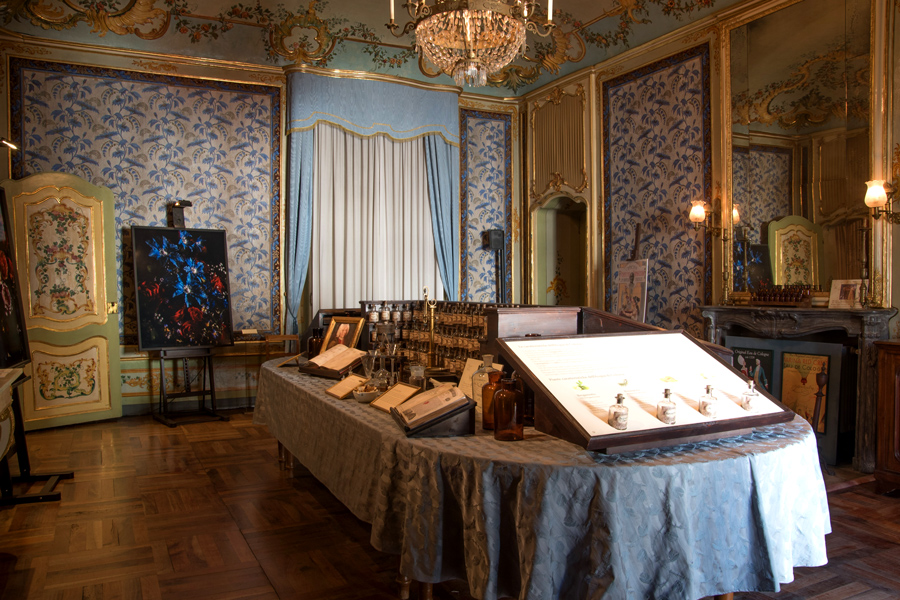
Il MÚSES è un museo vivente che si trova a Savigliano in provincia di Cuneo all’interno del seicentesco Palazzo Taffini, antica dimora nobiliare che racchiude nelle sue sale barocche il ricordo di epiche battaglie combattute dai Taffini al fianco dei Duchi di Savoia

Si chiama MÚSES, con un accento acuto sulla “Ú” per richiamare la forma del mortaio con pestello usato dagli speziali nell’antica alchimia e  Accademia Europea delle Essenze è un progetto ideato dall’Associazione Terre dei Savoia per valorizzare le tradizioni e i saperi del Piemonte nella produzione delle erbe officinali

Si definisce Accademia per riaffermarne il significato etimologico del Giardino di Academo: lo spazio collettivo dedicato all’imparare insieme e in  questo senso il MÚSES si propone come casa del territorio aperta ai sentori, ai sapori e ai saperi dell’Europa

La visita guidata inizia dal Giardino dei Sensi situato nel cortile d’onore di Palazzo Taffini che rappresenta l’espressione più compiuta di MÚSES, articolato in aiuole geometriche come da modello tardo-rinascimentale, con varietà di piante scelte per stimolare i cinque sensi attraverso i colori delle fioriture, il sapore dei frutti, l’odore dell’essenze e la consistenza del fogliame

Al centro, la fontana con getti d’acqua profumati è dominata dalla scultura “La palette del pittore” dell’artista tedesco Franz Staehler; intorno le erbe officinali, i fiori, le piante ornamentali e le sculture “L’albero della vita” e “Lo specchio di Gaia” di Staehler rianimano e profumano chi lo attraversa

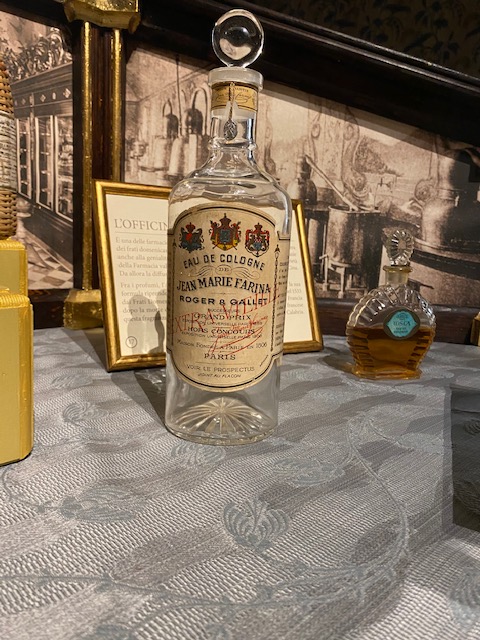
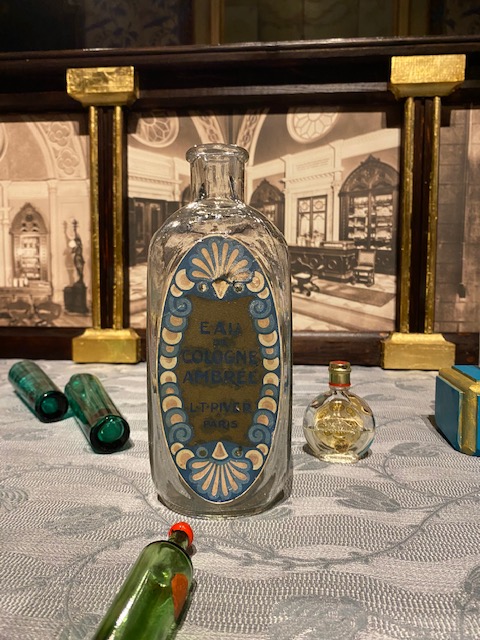
Il MÚSES offre esperienze sensoriali lungo il percorso espositivo con  video installazioni, opere site-specific di artisti internazionali contemporanei,  strumentazioni d’epoca, personaggi che hanno innovato le tecniche produttive e svelano i segreti dell’arte profumiera nei secoli: da Bisanzio a Venezia seguendo le rotte degli oli essenziali e delle spezie; le grandi signore del Rinascimento italiano, Caterina Sforza, Isabella d’Este, Caterina de’ Medici, che seppero diffondere  il piacere delle essenze, diventando vere e proprie icone delle loro epoche; dal Piemonte al resto d’Europa con l’affascinante saga dell’Acqua di Colonia, il profumo più venduto al mondo e creato da un piemontese

Il Museo è aperto su prenotazione il Sabato e la Domenica

Per maggiori informazioni : www.musesaccademia.it


MÚSES for a sensory dive into the world of perfumes

The MÚSES is a living museum located in Savigliano in the province of Cuneo inside the seventeenth-century Palazzo Taffini, an ancient noble residence that contains in its baroque rooms the memory of epic battles fought by the Taffins alongside the Dukes of Savoy

It is called MÚSES, with an acute accent on the “Ú” to recall the shape of the mortar with pestle used by apothecaries in ancient alchemy and the European Academy of Essences is a project conceived by the Terre dei Savoia Association to enhance the traditions and knowledge of Piedmont in the production of medicinal herbs

It defines itself as an Academy to reaffirm the etymological meaning of the Academo Garden: the collective space dedicated to learning together and in this sense the MÚSES is proposed as a home in the territory open to the scents, flavors and knowledge of Europe

The guided tour starts from the Garden of the Senses located in the courtyard of honor of Palazzo Taffini which represents the most complete expression of MÚSES, divided into geometric flower beds as per the late-Renaissance model, with a variety of plants chosen to stimulate the five senses through the colors of the blooms, the flavor of the fruit, the smell of the essences and the consistency of the foliage

In the center, the fountain with scented water jets is dominated by the sculpture “The Painter’s Palette” by the German artist Franz Staehler; around the officinal herbs, flowers, ornamental plants and sculptures “The tree of life” and “The mirror of Gaia” by Staehler revive and perfume those who pass through it

MÚSES offers sensory experiences along the exhibition path with video installations, site-specific works by contemporary international artists, period instruments, characters who have innovated production techniques and reveal the secrets of perfume art over the centuries: from Byzantium to Venice following the routes of essential oils and spices; the great ladies of the Italian Renaissance, Caterina Sforza, Isabella d’Este, Caterina de ‘Medici, who knew how to spread the pleasure of essences, becoming true icons of their epochs; from Piedmont to the rest of Europe with the fascinating saga of Cologne, the best-selling perfume in the world and created by a Piedmontese

The Museum is open by appointment on Saturday and Sunday

For more information : www.musesaccademia.it


Marie De Moliner .. Profumo di carta e colla per creare collages unici

Alzi la mano chi almeno una volta nella vita non si è avventurato nella creazione di un collage, io sono uno di quelli e mi ricordo come se fosse oggi il giorno in cui a scuola mi fu consegnato durante l’ora di disegno un blocco di fogli colorati, un paio di forbici, un cartoncino nero e la mitica “ Coccoina “ colla bianca da stendere con il pennellino e dall’indimenticabile profumo di mandorla
Fu una esperienza bellissima per me che essendo una vera e propria frana con la matita e il pennello fui in grado di dar sfogo alla mia creatività realizzando un collage astratto che mi valse l’onore di vederlo attaccato con le puntine sul cordolino di legno presente sui muri dell’aula
Quando ho visto le opere di Marie De Moliner per la prima volta mi sono immediatamente ricordato della mia esperienza scolastica e ho capito molte cose che allora da ragazzo non avevo recepito, innanzitutto che il collage può sembrare una rottura rispetto alle tecniche nobili della pittura e del disegno, ma così non è perché questa forma d’arte comprende tecnica,forma e contenuto
Ci troviamo di fronte ad una vera e propria rivoluzione che parte da una decostruzione per arrivare ad una ricostruzione vera e propria in cui l’artista si muove in un universo dove tutte le forme possono diventare significanti e la bravura dell’artista consiste nel far apparire nel sui lavoro l’imprevedibile .. quello che non ti saresti aspettato e capace di dare un tocco di originalità ed unicità al lavoro finito
Marie De Moliner è nata vicino a Parigi nel 1975 e negli anni novanta ha vissuto alcuni anni a New York dove ha frequentato la Parsons School of design e la Fordham University
Ritornata a Parigi nel 2003 si è laureata in Architettura e dal 2004 vive e lavora a Bergamo
Si è innamorata dell’arte fin da bambina, sperimentando sempre forme ed espressioni d’arte diverse (acquarello, pittura, scultura, arte digitale …), ma la sua vera espressione artistica è il collage realizzato con frammenti di carta riciclata
Ha una passione smodata e non potrebbe essere che così, per la raccolta di carta di qualsiasi tipo, fogli e ritagli da riviste, giornali, cataloghi, brochure pubblicitarie, volantini, biglietti, imballaggi, poster e questa fase di ricerca la porta a girare per mercatini dell’usato alla ricerca di quel pezzo di carta che le farà scattare l’idea per poter immaginare una nuova opera
Da buon architetto Marie trova conforto nella geometria ed è affascinata dalla grafica e non è difficile capire che la sua fonte principale d’ispirazione è la corrente architettonica dello Stile Internazionale
Nella sua serie di collage intitolata “Paesaggi urbani” , opere che sono state esposte ad una mostra personale a Venezia in occasione della biennale di architettura nel 2018 al primo colpo d’occhio si ritrovano immediatamente le peculiarità dello Stile Internazionale: l’organizzazione dello spazio e la prospettiva con un forte linguaggio geometrico
Del resto lo Stile Internazionale si basa su una radicale semplificazione della forma, un rifiuto dell’ornamento e l’adozione di vetro, acciaio e cemento come materiali preferiti mentre la trasparenza degli edifici, la costruzione (chiamata l’espressione onesta della struttura) e l’accettazione delle tecniche di produzione di massa industrializzate hanno contribuito alla filosofia di design dello stile internazionale che ha come obiettivo l’internazionalizzazione del linguaggio, quindi la sua massima diffusione, e non l’approfondimento delle regole di una specifica idealità architettonico/figurativa vista anche l’intenzionale riduzione di una vasta quantità di mezzi espressivi
Marie grazie all’uso di carta riciclata riesce a far emergere sulle tele dei scenari rigorosi e dal carattere pop con una lettura nostalgica e contemporanea
Marie De Moliner è sicuramente una “ numero uno “ nel variegato mondo artistico dove il collage trova una sua precisa collocazione al pari di disegno e pittura, e forse non tutti sapranno che anche il famosissimo Henri Matisse  sulla sedia rotelle a causa di una grave malattia, si aprì ad una nuova vita artistica, producendo collage di carte coloratissime, spesso in scala enorme


Marie De Moliner .. Perfume of paper and glue to create unique collages
Hands up those who at least once in their life have not ventured into creating a collage, I am one of those and I remember as if it were the day when I was given a block of colored sheets, a pair of scissors, a black card and the legendary “Coccoina” white glue during the drawing hour to be spread with the little brush and the unforgettable scent of almond
It was a beautiful experience for me that being a real landslide with the pencil and the brush I was able to give vent to my creativity by creating an abstract collage that earned me the honor of seeing it attached with the pins on the wooden cord on the classroom walls
When I saw the works of Marie De Moliner for the first time I immediately remembered my school experience and I understood many things that I had not understood then as a boy, first of all that collage may seem like a break from the noble techniques of painting and drawing, but this is not the case because this art form includes technique, form and content
We are faced with a real revolution that starts from a deconstruction to arrive at a real reconstruction in which the artist moves in a universe where all shapes can become meaningful and the skill of the artist consists in making appear in its work the unpredictable .. what you would not have expected and capable of giving a touch of originality and uniqueness to the finished work
Marie De Moliner was born near Paris in 1975 and in the 1990s lived a few years in New York where she attended the Parsons School of design and Fordham University

Returning to Paris in 2003, she graduated in Architecture and has lived and worked in Bergamo, Italy since 2004
She has fallen in love with art since she was a child, always experimenting with different forms and expressions of art (watercolor, painting, sculpture, digital art …), but her true artistic expression is the collage made with fragments of recycled paper
She has an unbridled passion and it could not be otherwise, for the collection of paper of any type, sheets and clippings from magazines, newspapers, catalogs, advertising brochures, flyers, tickets, packaging, posters and this research phase leads her to turn to flea markets in search of that piece of paper that will trigger the idea to be able to imagine a new work
As a good architect Marie finds comfort in geometry and is fascinated by graphics and it is not difficult to understand that her main source of inspiration is the architectural style of the International Style
In her series of collages entitled “Urban Landscape”, works that have been exhibited at a personal exhibition in Venice on the occasion of the architecture biennale in 2018 at the first glance you immediately find the peculiarities of the International Style: the organization of space and perspective with a strong geometric language
After all, the International Style is based on a radical simplification of the shape, a refusal of the ornament and the adoption of glass, steel and concrete as preferred materials while the transparency of the buildings, the construction (called the honest expression of the structure) and the acceptance of industrialized mass production techniques have contributed to the design philosophy of the International style which has as its objective the internationalization of language, therefore its maximum diffusion, and not the deepening of the rules of a specific architectural / figurative ideality also considering the intentional reduction of a vast amount of means of expression
Thanks to the use of recycled paper, Marie manages to bring out rigorous and pop scenes on the canvas with a nostalgic and contemporary reading
Marie De Moliner is certainly a “number one” in the varied artistic world where collage finds its precise location on a par with drawing and painting, and perhaps not everyone will know that even the very famous Henri Matisse, in a wheelchair due to a serious illness , opened up to a new artistic life, producing collages of colorful papers, often on a huge scale

Solo exhibitions
– February 2010 – Collages Caffè Letterario in Bergamo

Group exhibitions
– October 2010 – Proposte d’arte of Roberto Colleoni in Villa Suardi, Trescore Balneario – (Bergamo)
– May 2011 – Artemisia Laborart Gallery in Piedimulera (Piedmont)
Permanent Exhibition Colleoni Roberto & C. Tappezzieri in Bergamo

Publications
Catalogue “Art Events 2011” (Mazzoleni Art Gallery)

For more information about Marie De Moliner :

Website
Instagram
Facebook