Archivi tag: contemporaryart

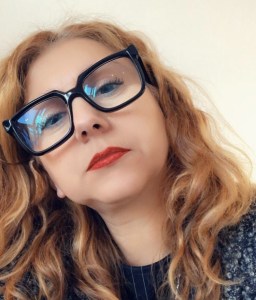
Giulia Baita quando il telefono diventa strumento d’Arte

giulia-baita-portrait-6

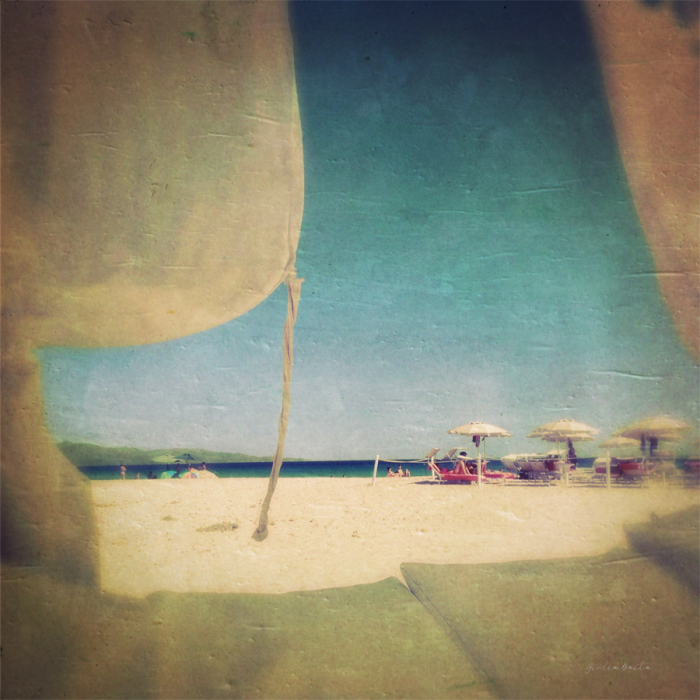
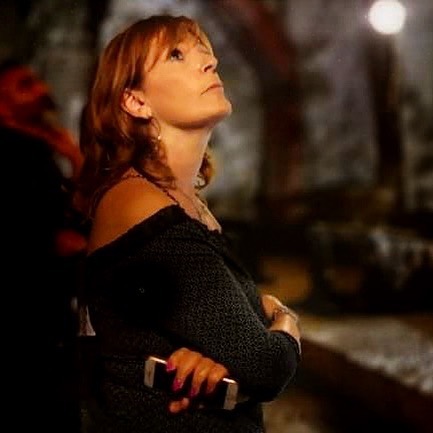
Giulia Baita nata a Pontassieve ma trasferitasi con i genitori in Sardegna quando era poco più che una bambina si è portata con se dalla natia Toscana la passione per l’Arte che l’ha vista laurearsi in Storia dell’Arte Contemporanea

Insegnante di lettere al Liceo artistico Fois di Cagliari ha la fortuna di abitare davanti al Parco Naturale di Molentargius, l’unico al mondo dove i fenicotteri nidificano da quasi trent’anni e non è difficile capire come questo luogo meraviglioso abbia giorno dopo giorno accompagnato Giulia nella sua passione per l’Arte che lei considera un linguaggio importante per comunicare agli altri a modo suo che “ l’essenziale è invisibile agli occhi “ e lo fa utilizzando il linguaggio dei colori e delle forme reinventate attraverso il sapiente uso di Iphone e Tablet

Giulia è un’autorevole rappresentante della Mobile Art che si realizza con dispositivi mobili come iPhone, iPad e smartphone in genere, una forma d’Arte che lei ha scoperto nel 2010 ma che nell’ultimo quinquennio si è affermata sempre più, dapprima come variante della Digital Art, per poi espandersi a livello mondiale con una propria identità che la identifica come un movimento di arte contemporanea che crea immagini artistiche attraverso i dispositivi mobili impiegando le più recenti tecnologie visuali presenti su smartphone e tablet con cui gli artisti creano,modificano, trasformano e diffondono immagini digitali con app ( appositamente create per i dispositivi mobili )  che consentono un’elaborazione istantanea, o comunque molto veloce degli scatti

Si è venuta così a creare una comunità che vede impegnati centinaia di migliaia di artisti che in tutto il mondo ( soprattutto in America, Giappone e Nord Europa )producono arte, la  condividono attraversi vari canali offerti dai social network e partecipano a contest, mostre collettive e personali 

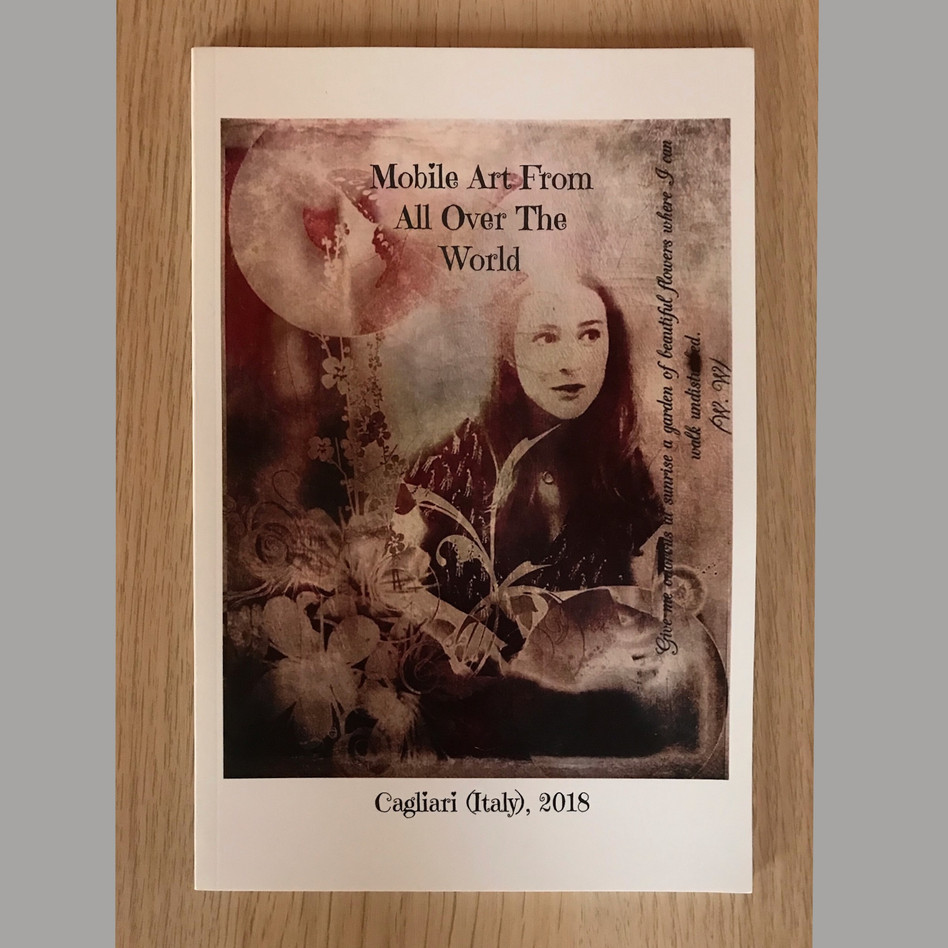
Giulia ha partecipato a numerose mostre internazionali, tra cui “Light impressions” (Miami) e mDAC 2017 (Palo Alto) e dal 2018 cura il progetto di mostre collettive di artisti internazionali, tra cui la mostre internazionali “Mobile Art From All Over The World” e  “All colors of the world” che si sono svolte a Cagliari

Ha inoltre  curato la grande mostra di Mobile Art a Milano “The Beauty Myth” in cui 30 artisti, inclusa lei stessa, hanno esposto le loro opere alla Galleria Copernico

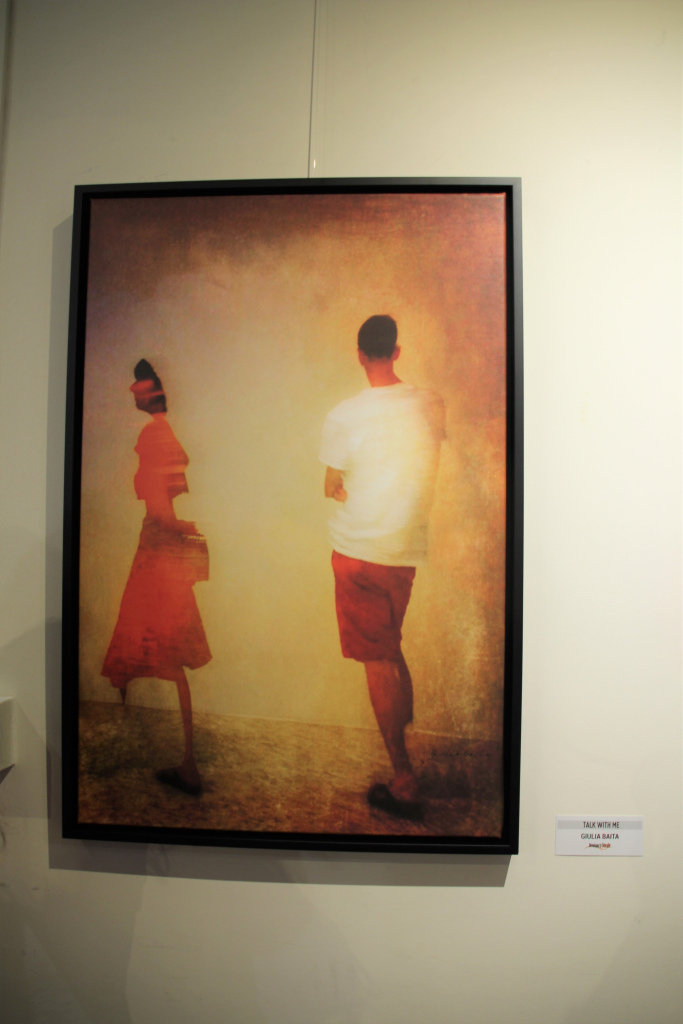
Nel 2021 ha partecipato alla collettiva presso Palazzo Ducale Genova “Talk with me”

Nel marzo 2017 ha fondato MAG MobileArtGroup,  MAG é una comunità internazionale che condivide l’arte mobile come una nuova forma di arte contemporanea e lo fa attraverso MobileArtGroup Facebook, MobileArtGroupAcademy Facebook, MAG Instagram e MAG Twitter

Giulia quindi non solo è una delle maggiori esponenti a livello europeo di questo nuovo movimento di Arte contemporanea, ma ha voluto mettere la propria esperienza al servizio di quanti vogliono avvicinarsi e promuovere questa forma d’arte creando una sorta di vetrina permanente con il gruppo MobileArtGroup su Facebook in cui gli artisti di ogni parte del mondo possono confrontarsi ma cosa ancora più interessante ha creato attraverso il MobileArtGroupAcademy  sempre su Facebook una sorta di scuola dove apprendere attraverso appositi corsi come approcciarsi a questa forma d’arte che sta spopolando

Per maggiori informazioni sulle attività di Giulia Baita e per acquistare le sue opere vi rimando al suo sito web ed ai suoi profili social, mentre per chi vuole saperne di più su questa forma d’arte interessantissima vi elenco i vari gruppi presenti su Facebook e da lei stessa creati

Giulia Baita web site

Facebook Giulia Baita

Facebook Giulia Baita artist

Instagram Giulia Baita

Instagram MAG Mobile Art

MAG Group

MAG Academy

Giulia Baita when the telephone becomes a tool of art

giulia-baita-portrait-4

Giulia Baita, born in Pontassieve but moved with her parents to Sardinia when she was little more than a child, brought with her from native Tuscany the passion for art that saw her graduate in History of Contemporary Art

Literature teacher at the Fois artistic high school in Cagliari, she is lucky enough to live in front of the Molentargius Natural Park, the only one in the world where flamingos have nested for almost thirty years and it is not difficult to understand how this wonderful place has accompanied Giulia day after day  in her passion for art that she considers an important language to communicate to others in her own way that “the essential is invisible to the eye” and she does so using the language of colors and shapes reinvented through the wise use of Iphone and Tablet

Giulia is an authoritative representative of Mobile Art which is achieved with mobile devices such as iPhone, iPad and smartphones in general, a form of art that she discovered in 2010 but which in the last five years has increasingly established itself, first as a variant of Digital Art, to then expand worldwide with its own identity that identifies it as a contemporary art movement that creates artistic images through mobile devices using the latest visual technologies on smartphones and tablets with which artists create, modify, transform and disseminate digital images with apps (specially created for mobile devices) that allow instant or very fast processing of the shots

This has led to the creation of a community involving hundreds of thousands of artists who all over the world (especially in America, Japan and Northern Europe) produce art, share it through various channels offered by social networks and participate in contests, collective exhibitions and personal

Giulia has participated in numerous international exhibitions, including “Light impressions” (Miami) and mDAC 2017 (Palo Alto) and since 2018 she has curated the project of collective exhibitions of international artists, including the international exhibitions “Mobile Art From All Over The World “and” All colors of the world “which took place in Cagliari

She also curated the great Mobile Art exhibition in Milan “The Beauty Myth” in which 30 artists, including herself, exhibited their works at the Copernico Gallery

In 2021 she participated in the collective exhibition at Palazzo Ducale Genoa “Talk with me”

In March 2017 she founded MAG MobileArtGroup, MAG is an international community that shares mobile art as a new form of contemporary art and does so through MobileArtGroup Facebook, MobileArtGroupAcademy Facebook, MAG Instagram and MAG Twitter

Giulia is therefore not only one of the major European exponents of this new movement of contemporary art, but she wanted to put her experience at the service of those who want to approach and promote this art form by creating a sort of permanent showcase with the MobileArtGroup group on Facebook where artists from all over the world can compare but what is even more interesting has created through the MobileArtGroupAcademy always on Facebook a sort of school where you can learn through special courses how to approach this form of art that is depopulating

For more information on Giulia Baita’s activities and to purchase her works, I refer you to her website and her social profiles, while for those who want to know more about this very interesting art form, I list the various groups on Facebook  from herself created

Giulia Baita web site

Facebook Giulia Baita

Facebook Giulia Baita artist

Instagram Giulia Baita

Instagram MAG Mobile Art

MAG Group

MAG Academy

Tittart .. quando la tela e i colori si trasformano in bellezza

Valentina Bisogno in arte “Tittart” nasce a Torino nel 1967 dove dopo il Liceo artistico frequenta una scuola triennale di Arte e Moda
Con suo grande rammarico non si iscrive all’Accademia Albertina di Belle Arti, perché la vita ha scelto per lei un altro percorso
Dopo aver girato a lungo l’Italia per lavoro a 28 anni si stabilisce a Milano per poi approdare definitivamente sul Lago Maggiore, dove vive attualmente
Nel 1998 a seguito di un bruttissimo incidente che la costringe a 11 mesi di fisioterapia e ad 8 interventi di ricostruzione chirurgica della mano destra smette di dipingere definitivamente
Nel 2015 una delicata operazione alla schiena la tiene ferma per due mesi, ed è in quel momento che riaffiora la passione per la pittura mai sopita, a tal punto da provare se riesce ancora a tenere un pennello in mano
E così come per magia, andando a bottega dall’artista Patrizia Pollato dopo un percorso formativo durato 4 anni la passione per l’arte trova la forza di uscire dal cassetto dei desideri in cui era stata rinchiusa
Valentina ricupera il suo tratto e l’uso dei colori e inizia un nuovo percorso artistico che le permetterà di non abbandonare più questa parte così importante di se stessa
Nasce così l’artista Tittart che attraverso la sua pittura riesce ad esprimere al meglio se stessa, con uno stile pittorico che racconta del suo vissuto travagliato e della sua anima alla perenne ricerca di verità e bellezza
Attraverso le sue opere Tittart riesce a mettere da parte la sua timidezza e le sue insicurezza per
raffigurare quella gioia di vivere che le permette di trasformare tela e colori in quella bellezza che attraverso la natura che ritrare diventa il suo rifugio da dove sfuggire alle brutture del mondo

Tittart .. when canvas and colors are transformed into beauty
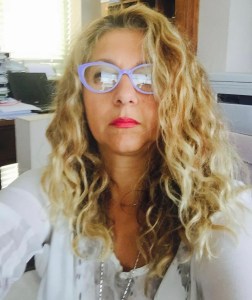
Valentina Bisogno, “Tittart” was born in Turin in 1967 where after the artistic high school she attended a three-year school of Art and Fashion
To her great regret, she does not enroll in the Albertina Academy of Fine Arts, because life has chosen another path for her
After traveling around Italy for a long time for work, at the age of 28 she settled in Milan and then landed permanently on Lake Maggiore, where she currently lives
In 1998, following a very bad accident that forced her to 11 months of physiotherapy and 8 surgical reconstruction operations on her right hand, she stopped painting permanently
In 2015, a delicate operation on her back kept her still for two months, and it was at that moment that her passion for painting, which had never subsided, resurfaces, to the point of trying if she can still hold a brush in her hand
And as if by magic, going to the artist Patrizia Pollato’s workshop after a training course that lasted 4 years, the passion for art finds the strength to get out of the drawer of desires in which it had been locked up
Valentina regains her stroke and the use of colors and begins a new artistic path that will allow her to never abandon this so important part of herself
Thus was born the artist Tittart who, through her painting, is able to best express herself, with a pictorial style that tells of her troubled life and her soul in the perennial search for truth and beauty
Through her works Tittart manages to put aside her shyness and her insecurity for
depict that joie de vivre that allows her to transform canvas and colors into that beauty that through the nature she portrays becomes her refuge from which to escape the ugliness of the world

Per maggiori informazione su Tittart :

sito web

Instagram 


Marie De Moliner .. Profumo di carta e colla per creare collages unici

Alzi la mano chi almeno una volta nella vita non si è avventurato nella creazione di un collage, io sono uno di quelli e mi ricordo come se fosse oggi il giorno in cui a scuola mi fu consegnato durante l’ora di disegno un blocco di fogli colorati, un paio di forbici, un cartoncino nero e la mitica “ Coccoina “ colla bianca da stendere con il pennellino e dall’indimenticabile profumo di mandorla
Fu una esperienza bellissima per me che essendo una vera e propria frana con la matita e il pennello fui in grado di dar sfogo alla mia creatività realizzando un collage astratto che mi valse l’onore di vederlo attaccato con le puntine sul cordolino di legno presente sui muri dell’aula
Quando ho visto le opere di Marie De Moliner per la prima volta mi sono immediatamente ricordato della mia esperienza scolastica e ho capito molte cose che allora da ragazzo non avevo recepito, innanzitutto che il collage può sembrare una rottura rispetto alle tecniche nobili della pittura e del disegno, ma così non è perché questa forma d’arte comprende tecnica,forma e contenuto
Ci troviamo di fronte ad una vera e propria rivoluzione che parte da una decostruzione per arrivare ad una ricostruzione vera e propria in cui l’artista si muove in un universo dove tutte le forme possono diventare significanti e la bravura dell’artista consiste nel far apparire nel sui lavoro l’imprevedibile .. quello che non ti saresti aspettato e capace di dare un tocco di originalità ed unicità al lavoro finito
Marie De Moliner è nata vicino a Parigi nel 1975 e negli anni novanta ha vissuto alcuni anni a New York dove ha frequentato la Parsons School of design e la Fordham University
Ritornata a Parigi nel 2003 si è laureata in Architettura e dal 2004 vive e lavora a Bergamo
Si è innamorata dell’arte fin da bambina, sperimentando sempre forme ed espressioni d’arte diverse (acquarello, pittura, scultura, arte digitale …), ma la sua vera espressione artistica è il collage realizzato con frammenti di carta riciclata
Ha una passione smodata e non potrebbe essere che così, per la raccolta di carta di qualsiasi tipo, fogli e ritagli da riviste, giornali, cataloghi, brochure pubblicitarie, volantini, biglietti, imballaggi, poster e questa fase di ricerca la porta a girare per mercatini dell’usato alla ricerca di quel pezzo di carta che le farà scattare l’idea per poter immaginare una nuova opera
Da buon architetto Marie trova conforto nella geometria ed è affascinata dalla grafica e non è difficile capire che la sua fonte principale d’ispirazione è la corrente architettonica dello Stile Internazionale
Nella sua serie di collage intitolata “Paesaggi urbani” , opere che sono state esposte ad una mostra personale a Venezia in occasione della biennale di architettura nel 2018 al primo colpo d’occhio si ritrovano immediatamente le peculiarità dello Stile Internazionale: l’organizzazione dello spazio e la prospettiva con un forte linguaggio geometrico
Del resto lo Stile Internazionale si basa su una radicale semplificazione della forma, un rifiuto dell’ornamento e l’adozione di vetro, acciaio e cemento come materiali preferiti mentre la trasparenza degli edifici, la costruzione (chiamata l’espressione onesta della struttura) e l’accettazione delle tecniche di produzione di massa industrializzate hanno contribuito alla filosofia di design dello stile internazionale che ha come obiettivo l’internazionalizzazione del linguaggio, quindi la sua massima diffusione, e non l’approfondimento delle regole di una specifica idealità architettonico/figurativa vista anche l’intenzionale riduzione di una vasta quantità di mezzi espressivi
Marie grazie all’uso di carta riciclata riesce a far emergere sulle tele dei scenari rigorosi e dal carattere pop con una lettura nostalgica e contemporanea
Marie De Moliner è sicuramente una “ numero uno “ nel variegato mondo artistico dove il collage trova una sua precisa collocazione al pari di disegno e pittura, e forse non tutti sapranno che anche il famosissimo Henri Matisse  sulla sedia rotelle a causa di una grave malattia, si aprì ad una nuova vita artistica, producendo collage di carte coloratissime, spesso in scala enorme


Marie De Moliner .. Perfume of paper and glue to create unique collages
Hands up those who at least once in their life have not ventured into creating a collage, I am one of those and I remember as if it were the day when I was given a block of colored sheets, a pair of scissors, a black card and the legendary “Coccoina” white glue during the drawing hour to be spread with the little brush and the unforgettable scent of almond
It was a beautiful experience for me that being a real landslide with the pencil and the brush I was able to give vent to my creativity by creating an abstract collage that earned me the honor of seeing it attached with the pins on the wooden cord on the classroom walls
When I saw the works of Marie De Moliner for the first time I immediately remembered my school experience and I understood many things that I had not understood then as a boy, first of all that collage may seem like a break from the noble techniques of painting and drawing, but this is not the case because this art form includes technique, form and content
We are faced with a real revolution that starts from a deconstruction to arrive at a real reconstruction in which the artist moves in a universe where all shapes can become meaningful and the skill of the artist consists in making appear in its work the unpredictable .. what you would not have expected and capable of giving a touch of originality and uniqueness to the finished work
Marie De Moliner was born near Paris in 1975 and in the 1990s lived a few years in New York where she attended the Parsons School of design and Fordham University

Returning to Paris in 2003, she graduated in Architecture and has lived and worked in Bergamo, Italy since 2004
She has fallen in love with art since she was a child, always experimenting with different forms and expressions of art (watercolor, painting, sculpture, digital art …), but her true artistic expression is the collage made with fragments of recycled paper
She has an unbridled passion and it could not be otherwise, for the collection of paper of any type, sheets and clippings from magazines, newspapers, catalogs, advertising brochures, flyers, tickets, packaging, posters and this research phase leads her to turn to flea markets in search of that piece of paper that will trigger the idea to be able to imagine a new work
As a good architect Marie finds comfort in geometry and is fascinated by graphics and it is not difficult to understand that her main source of inspiration is the architectural style of the International Style
In her series of collages entitled “Urban Landscape”, works that have been exhibited at a personal exhibition in Venice on the occasion of the architecture biennale in 2018 at the first glance you immediately find the peculiarities of the International Style: the organization of space and perspective with a strong geometric language
After all, the International Style is based on a radical simplification of the shape, a refusal of the ornament and the adoption of glass, steel and concrete as preferred materials while the transparency of the buildings, the construction (called the honest expression of the structure) and the acceptance of industrialized mass production techniques have contributed to the design philosophy of the International style which has as its objective the internationalization of language, therefore its maximum diffusion, and not the deepening of the rules of a specific architectural / figurative ideality also considering the intentional reduction of a vast amount of means of expression
Thanks to the use of recycled paper, Marie manages to bring out rigorous and pop scenes on the canvas with a nostalgic and contemporary reading
Marie De Moliner is certainly a “number one” in the varied artistic world where collage finds its precise location on a par with drawing and painting, and perhaps not everyone will know that even the very famous Henri Matisse, in a wheelchair due to a serious illness , opened up to a new artistic life, producing collages of colorful papers, often on a huge scale

Solo exhibitions
– February 2010 – Collages Caffè Letterario in Bergamo

Group exhibitions
– October 2010 – Proposte d’arte of Roberto Colleoni in Villa Suardi, Trescore Balneario – (Bergamo)
– May 2011 – Artemisia Laborart Gallery in Piedimulera (Piedmont)
Permanent Exhibition Colleoni Roberto & C. Tappezzieri in Bergamo

Publications
Catalogue “Art Events 2011” (Mazzoleni Art Gallery)

For more information about Marie De Moliner :

Website
Instagram
Facebook